 EN
EN
 AR
AR
 BG
BG
 HR
HR
 CS
CS
 DA
DA
 NL
NL
 FI
FI
 FR
FR
 DE
DE
 EL
EL
 HI
HI
 IT
IT
 JA
JA
 KO
KO
 PL
PL
 PT
PT
 RU
RU
 ES
ES
 SV
SV
 TL
TL
 IW
IW
 ID
ID
 LV
LV
 SR
SR
 UK
UK
 VI
VI
 GL
GL
 HU
HU
 TH
TH
 TR
TR
 AF
AF
 MS
MS
 SW
SW
 GA
GA
 CY
CY
 IS
IS
 BN
BN
 BS
BS
 NE
NE

How are pogo pin connectors customized for different electronic devices?
Electronic device manufacturers face unique connectivity challenges that require specialized solutions tailored to their specific applications. A pogo pin connector offers exceptional versatility and reliability for establishing temporary electrical connections across various industries and device types. These spring-loaded connectors have become increasingly popular due to their ability to maintain consistent electrical contact while accommodating mechanical tolerances and vibrations. The customization of these connectors involves careful consideration of electrical specifications, mechanical requirements, environmental conditions, and aesthetic preferences to ensure optimal performance in each application.
The customization process begins with understanding the specific requirements of the target device and application environment. Engineers must evaluate factors such as current carrying capacity, voltage ratings, contact resistance, and expected lifespan to determine the appropriate materials and design specifications. Modern manufacturing techniques allow for precise control over dimensions, spring force characteristics, and surface treatments, enabling the creation of highly specialized solutions that meet exact performance criteria for diverse electronic applications.
Electrical Specifications and Performance Requirements
Current Rating and Voltage Considerations
The electrical performance of a pogo pin connector depends heavily on its intended application and the power requirements of the connected devices. Low-power applications such as smartwatches or fitness trackers typically require connectors capable of handling currents ranging from 50 milliamperes to 2 amperes, while maintaining voltage ratings between 12 and 50 volts. These specifications directly influence the choice of contact materials, plating thickness, and overall connector geometry to ensure reliable signal transmission without excessive voltage drop or power loss.
High-power applications present different challenges that require robust design modifications to accommodate increased thermal loads and electrical stress. Battery charging systems, power tools, and automotive applications may demand current ratings exceeding 10 amperes with voltage capabilities up to 300 volts or higher. The customization process for these demanding applications involves selecting larger contact surfaces, implementing enhanced heat dissipation features, and utilizing specialized alloys that maintain conductivity under elevated temperatures while resisting oxidation and wear.
Signal integrity becomes critical in high-frequency applications where the pogo pin connector must maintain consistent impedance characteristics and minimize signal distortion. RF and microwave applications require precise control over connector geometry, dielectric materials, and shielding effectiveness to prevent electromagnetic interference. Custom designs may incorporate coaxial configurations, controlled impedance pathways, and specialized termination methods to preserve signal quality across the frequency spectrum of interest.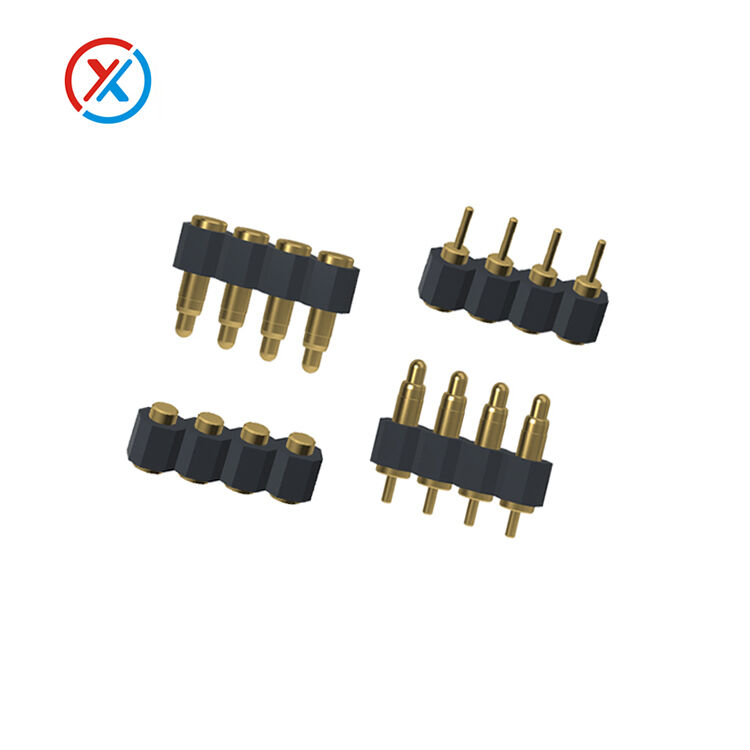
Contact Resistance and Reliability Metrics
Contact resistance represents one of the most critical performance parameters in connector customization, directly affecting power efficiency and signal quality. Standard applications typically target contact resistance values below 50 milliohms, while precision instrumentation may require resistance levels as low as 5 milliohms or less. Achieving these specifications requires careful selection of contact materials, surface treatments, and spring force characteristics to ensure consistent electrical performance throughout the connector's operational lifespan.
The relationship between spring force and contact resistance follows complex patterns that must be optimized for each specific application. Insufficient spring force results in inconsistent electrical contact and increased resistance, while excessive force can cause premature wear and mechanical damage to mating surfaces. Custom pogo pin connector designs utilize computer modeling and empirical testing to determine optimal force characteristics that balance electrical performance with mechanical durability and user experience requirements.
Environmental factors significantly impact long-term reliability and must be considered during the customization process. Temperature cycling, humidity exposure, salt spray conditions, and chemical contamination can all affect contact resistance over time. Specialized plating systems, hermetic sealing techniques, and corrosion-resistant materials are incorporated into custom designs to maintain performance specifications under challenging environmental conditions while extending operational lifespan beyond standard commercial requirements.
Mechanical Design and Form Factor Adaptation
Physical Dimensions and Spacing Requirements
The mechanical design of a pogo pin connector must accommodate the specific dimensional constraints and packaging requirements of the target electronic device. Miniaturization trends in consumer electronics have driven the development of ultra-compact connector designs with pin diameters as small as 0.5 millimeters and pitches approaching 1.0 millimeter. These tight spacing requirements demand precision manufacturing techniques and specialized tooling to maintain positional accuracy while ensuring adequate electrical isolation between adjacent contacts.
Larger industrial applications may prioritize durability and ease of maintenance over miniaturization, resulting in connector designs with more generous spacing and robust construction. These applications often incorporate features such as keying mechanisms, alignment guides, and protective housings to facilitate reliable mating under field conditions. The customization process involves balancing accessibility requirements with protection against environmental contamination and mechanical damage during normal operation and maintenance activities.
Three-dimensional packaging constraints require innovative approaches to connector placement and orientation within electronic devices. Custom solutions may incorporate angled contacts, flexible positioning systems, or modular designs that adapt to irregular device geometries while maintaining electrical performance specifications. Advanced manufacturing techniques enable the creation of complex connector shapes that integrate seamlessly with device aesthetics and functional requirements without compromising reliability or ease of use.
Spring Force Optimization and Travel Distance
Spring force characteristics directly impact both electrical performance and user experience, requiring careful optimization during the customization process. Low-force applications such as delicate sensors or test equipment may specify activation forces below 50 grams per contact to prevent damage to sensitive components or facilitate automated testing procedures. These designs utilize specialized spring materials and geometries that provide sufficient electrical contact pressure while minimizing mechanical stress on mating components.
High-force applications in industrial environments may require activation forces exceeding 500 grams per contact to ensure reliable electrical connection despite contamination, vibration, or mechanical wear. The pogo pin connector customization process involves selecting appropriate spring materials, optimizing coil geometry, and implementing surface treatments that maintain consistent force characteristics throughout the specified operational temperature range while resisting fatigue and stress relaxation.
Travel distance requirements vary significantly based on application needs and mechanical tolerances within the target device. Short-travel designs minimize connector height and reduce the risk of lateral movement during mating, while long-travel configurations accommodate larger dimensional variations and provide more forgiving alignment characteristics. Custom designs optimize travel distance to balance mechanical compliance with electrical stability, ensuring reliable connection establishment and maintenance under all specified operating conditions.
Material Selection and Surface Treatment Options
Contact Material Properties and Applications
The selection of appropriate contact materials represents a critical aspect of pogo pin connector customization, directly influencing electrical performance, durability, and cost-effectiveness. Beryllium copper serves as the most common base material for spring contacts due to its excellent electrical conductivity, mechanical resilience, and ability to maintain spring characteristics over extended operational periods. This material provides reliable performance in standard applications while offering good resistance to stress relaxation and fatigue failure under normal operating conditions.
Specialized applications may require alternative base materials to meet specific performance requirements or regulatory constraints. Phosphor bronze offers enhanced corrosion resistance and improved spring stability in marine environments, while stainless steel provides superior strength and temperature resistance for high-stress applications. Music wire and other specialized alloys may be specified for applications requiring exceptional spring consistency or extended operational lifespan under demanding mechanical conditions.
The customization process often involves combining multiple materials within a single connector design to optimize performance characteristics for specific application requirements. Bi-metallic constructions may utilize different materials for the spring element and contact surface, allowing engineers to optimize mechanical and electrical properties independently. These hybrid designs enable superior performance in applications where standard material options cannot adequately address all functional requirements simultaneously.
Plating Systems and Corrosion Protection
Surface plating systems play a crucial role in determining the long-term reliability and performance characteristics of custom pogo pin connector designs. Gold plating remains the premium choice for applications requiring ultra-low contact resistance and exceptional corrosion resistance, particularly in precision instrumentation and high-reliability military applications. The thickness of gold plating varies from 0.5 to 5.0 micrometers depending on wear requirements and expected operational lifespan, with thicker deposits providing enhanced durability at increased cost.
Palladium and palladium-nickel alloy platings offer attractive alternatives to gold for applications requiring excellent electrical performance with improved wear resistance and reduced material costs. These plating systems provide stable contact resistance characteristics while offering superior resistance to fretting corrosion and mechanical wear compared to pure gold surfaces. The customization process involves selecting appropriate plating thickness and alloy composition to optimize performance for specific application requirements and environmental conditions.
Alternative plating systems such as tin, silver, and nickel may be specified for cost-sensitive applications or specialized environmental requirements. Tin plating provides adequate electrical performance for many consumer electronics applications while offering excellent solderability and reduced material costs. Silver plating delivers outstanding electrical conductivity but requires careful consideration of tarnishing and migration characteristics in specific environments. The selection process involves balancing performance requirements with cost constraints and manufacturing capabilities to achieve optimal overall value.
Environmental Protection and Sealing Technologies
Ingress Protection and Contamination Resistance
Environmental protection requirements significantly influence the design and customization of pogo pin connector systems for outdoor, industrial, and harsh-environment applications. IP65 and IP67 rated designs incorporate specialized sealing technologies and housing materials to prevent dust ingress and moisture penetration while maintaining reliable electrical connectivity. These protection levels require careful attention to seal design, material compatibility, and manufacturing tolerances to ensure long-term reliability under challenging environmental conditions.
Chemical resistance considerations become critical in industrial process control and laboratory instrumentation applications where connectors may encounter aggressive cleaning agents, solvents, or process chemicals. Custom designs may specify specialized housing materials, gasket compounds, and surface treatments that resist degradation from specific chemical exposures while maintaining electrical and mechanical performance specifications. The selection process involves comprehensive compatibility testing and material qualification to ensure adequate service life in the intended application environment.
Contamination resistance extends beyond simple ingress protection to include considerations for particle accumulation, oxidation prevention, and self-cleaning characteristics. Some custom pogo pin connector designs incorporate features such as spring-loaded protective caps, purging systems, or specialized contact geometries that minimize contamination buildup and maintain reliable electrical connection despite environmental exposure. These advanced protection systems enable reliable operation in challenging environments while reducing maintenance requirements and extending operational lifespan.
Temperature Performance and Thermal Management
Temperature performance requirements drive significant customization considerations for pogo pin connector designs intended for automotive, aerospace, and industrial applications. Standard commercial connectors typically operate within -20°C to +85°C temperature ranges, while specialized designs may require operation from -55°C to +200°C or beyond. These extended temperature requirements necessitate careful selection of materials, plating systems, and sealing compounds that maintain performance characteristics across the specified temperature range without degradation or failure.
Thermal management considerations become particularly important in high-current applications where I²R heating can significantly impact connector temperature and performance. Custom designs may incorporate heat sinking features, enhanced thermal conductivity materials, or active cooling provisions to maintain acceptable operating temperatures under maximum load conditions. The customization process involves thermal modeling and analysis to optimize heat dissipation characteristics while maintaining compact form factors and cost-effectiveness.
Thermal cycling resistance represents another critical consideration for applications experiencing regular temperature variations during normal operation. Military and aerospace applications often specify thousands of thermal cycles across wide temperature ranges, requiring specialized material selections and design features that accommodate differential thermal expansion without compromising electrical or mechanical performance. Custom solutions may incorporate stress-relief features, flexible mounting systems, or specialized alloys that minimize thermal stress accumulation over extended operational periods.
Manufacturing Processes and Quality Control
Precision Manufacturing Techniques
Modern manufacturing techniques enable the production of highly customized pogo pin connector solutions that meet precise dimensional and performance specifications. Computer numerical control machining systems provide exceptional accuracy for critical dimensions such as contact geometry, spring characteristics, and housing tolerances. These precision manufacturing capabilities enable the creation of connectors with positional accuracies measured in micrometers while maintaining consistent performance characteristics across large production volumes.
Advanced forming techniques such as progressive stamping, wire forming, and precision grinding enable cost-effective production of complex contact geometries and spring configurations. These manufacturing processes can be optimized for specific material properties and performance requirements, allowing engineers to achieve optimal balance between functionality, reliability, and manufacturing cost. The customization process often involves developing specialized tooling and fixtures to accommodate unique design features while maintaining production efficiency and quality standards.
Additive manufacturing technologies are beginning to influence pogo pin connector customization by enabling rapid prototyping of complex housing geometries and integrated features. While traditional manufacturing methods remain dominant for production volumes, 3D printing and related technologies facilitate design validation and enable the creation of highly specialized connector configurations that would be difficult or expensive to produce using conventional techniques. These capabilities accelerate the development process and enable more innovative approaches to connector design and customization.
Testing and Validation Procedures
Comprehensive testing and validation procedures ensure that customized pogo pin connector designs meet all specified performance requirements throughout their intended operational lifespan. Electrical testing includes contact resistance measurement, voltage withstand verification, and insulation resistance evaluation under various environmental conditions. These tests verify that the connector maintains specified electrical characteristics across temperature extremes, humidity exposure, and mechanical stress conditions encountered in the target application.
Mechanical testing procedures evaluate spring force characteristics, wear resistance, and dimensional stability under simulated operational conditions. Cycle testing may involve millions of mating and unmating operations to verify connector durability and identify potential failure modes before field deployment. These comprehensive testing programs provide confidence in long-term reliability while identifying opportunities for design optimization and performance enhancement in future product iterations.
Environmental testing validates connector performance under specific conditions such as temperature cycling, humidity exposure, salt spray corrosion, and chemical compatibility. These tests ensure that custom designs maintain functionality throughout their specified operational environment while meeting applicable industry standards and regulatory requirements. The testing process often involves accelerated aging techniques that simulate years of operational exposure in compressed timeframes to verify long-term reliability predictions and validate design assumptions.
Application-Specific Design Considerations
Consumer Electronics Integration
Consumer electronics applications present unique challenges for pogo pin connector customization due to demanding size constraints, cost pressures, and aesthetic requirements. Smartphone and tablet charging systems require ultra-compact designs with minimal visual impact while maintaining reliable electrical connection under frequent use conditions. These applications often specify specialized materials and manufacturing techniques that achieve required performance levels within extremely tight dimensional constraints while meeting aggressive cost targets.
Wearable device applications introduce additional considerations related to user comfort, skin compatibility, and moisture resistance from perspiration and environmental exposure. Custom connector designs may incorporate biocompatible materials, specialized sealing techniques, and low-profile configurations that minimize user discomfort while maintaining reliable charging and data transfer capabilities. The customization process must balance functional requirements with ergonomic considerations and regulatory compliance for devices intended for prolonged skin contact.
Smart home and IoT device applications often require connectors that support both power delivery and high-speed data transmission within compact, aesthetically pleasing packages. These multi-function requirements drive the development of hybrid connector designs that integrate power and signal contacts within unified housing systems. The customization process involves optimizing signal integrity, minimizing electromagnetic interference, and ensuring reliable operation in diverse home environments while maintaining user-friendly connection procedures.
Industrial and Automotive Applications
Industrial automation systems require pogo pin connector designs that withstand harsh environmental conditions while providing reliable electrical connection for control signals and power distribution. These applications often specify enhanced vibration resistance, extended temperature ranges, and superior contamination protection compared to consumer electronics applications. Custom designs may incorporate features such as positive locking mechanisms, visual connection indicators, and field-replaceable components to support industrial maintenance practices and minimize system downtime.
Automotive applications present particularly demanding requirements for pogo pin connector customization due to extreme environmental conditions, safety considerations, and regulatory compliance requirements. Under-hood applications may encounter temperatures exceeding 150°C, exposure to automotive fluids, road salt contamination, and severe vibration conditions throughout vehicle operational life. Custom solutions must demonstrate compliance with automotive quality standards while maintaining reliable performance for safety-critical functions such as sensor connections and control system interfaces.
Electric vehicle charging systems represent a growing application area that demands high-current capability, enhanced safety features, and weather-resistant construction. These specialized pogo pin connector designs must handle currents exceeding 100 amperes while incorporating ground-fault protection, temperature monitoring, and mechanical interlocking features. The customization process involves integrating multiple safety systems and monitoring capabilities within robust mechanical packages that withstand repeated use in outdoor environments while meeting stringent electrical codes and safety standards.
FAQ
What factors determine the customization requirements for a pogo pin connector
The customization requirements for a pogo pin connector are determined by several critical factors including electrical specifications such as current rating and voltage requirements, mechanical constraints like available space and mating force limitations, environmental conditions including temperature range and contamination exposure, and specific application needs such as cycle life expectations and reliability requirements. Engineers must also consider manufacturing constraints, cost targets, and regulatory compliance requirements when defining customization parameters for optimal performance in the intended application.
How does material selection affect the performance of customized pogo pin connectors
Material selection significantly impacts both electrical and mechanical performance characteristics of customized pogo pin connectors. Contact materials such as beryllium copper provide excellent spring properties and conductivity for standard applications, while specialized alloys may be required for extreme temperature or corrosive environments. Plating systems like gold offer superior corrosion resistance and low contact resistance but increase costs, while alternative platings such as palladium or tin may provide adequate performance at reduced cost for specific applications. The selection process involves balancing performance requirements with cost constraints and manufacturing capabilities.
What environmental protection levels can be achieved with custom pogo pin connector designs
Custom pogo pin connector designs can achieve various environmental protection levels ranging from basic dust and moisture resistance to full hermetic sealing for harsh industrial environments. IP65 and IP67 ratings are commonly achievable through specialized sealing techniques and housing designs, while military-grade applications may require MIL-STD compliance for extreme temperature, shock, and vibration resistance. Chemical resistance can be enhanced through specialized materials and coatings, while underwater applications may require pressure-rated designs with advanced sealing systems to maintain electrical integrity under demanding conditions.
How long does the customization process typically take for specialized pogo pin connector applications
The customization timeline for pogo pin connector applications varies significantly based on design complexity, performance requirements, and validation testing needs. Simple modifications to existing designs may require 2-4 weeks for prototype development and initial testing, while completely custom solutions involving new tooling and extensive qualification testing may require 12-20 weeks or longer. Factors that influence timeline include material availability, tooling requirements, environmental testing needs, and regulatory approval processes. Early collaboration between design teams and connector manufacturers helps optimize development schedules while ensuring all requirements are adequately addressed.
Hot News
-
Challenges for Pogo pin manufacturers in the AI era
2023-12-14
-
Teach you how to understand Pogo pin spline structure
2023-12-14
-
What products can Pogo pin be used in?
2023-12-14
-
How to choose Pogo pin connector
2023-12-14