 EN
EN
 AR
AR
 BG
BG
 HR
HR
 CS
CS
 DA
DA
 NL
NL
 FI
FI
 FR
FR
 DE
DE
 EL
EL
 HI
HI
 IT
IT
 JA
JA
 KO
KO
 PL
PL
 PT
PT
 RU
RU
 ES
ES
 SV
SV
 TL
TL
 IW
IW
 ID
ID
 LV
LV
 SR
SR
 UK
UK
 VI
VI
 GL
GL
 HU
HU
 TH
TH
 TR
TR
 AF
AF
 MS
MS
 SW
SW
 GA
GA
 CY
CY
 IS
IS
 BN
BN
 BS
BS
 NE
NE

How do OEM magnetic connectors support customized device integration?
In the rapidly evolving landscape of electronic device integration, manufacturers increasingly rely on innovative connection solutions that offer both reliability and customization flexibility. Modern electronic devices require connection systems that can withstand frequent usage while maintaining optimal performance across diverse applications. Magnetic connectors have emerged as a transformative technology that addresses these challenges by providing secure, efficient, and highly adaptable connection solutions for original equipment manufacturers (OEMs) seeking to integrate customized components into their device architectures.
The integration of magnetic connectors into OEM devices represents a significant advancement in connection technology, offering manufacturers unprecedented flexibility in designing custom solutions. These connectors utilize powerful magnetic fields to create secure connections without the mechanical wear associated with traditional plug-and-socket designs. This magnetic attraction mechanism ensures consistent connectivity while allowing for easy disconnection when necessary, making them ideal for applications requiring frequent connection cycles or automated assembly processes.
Advanced Engineering Behind OEM Magnetic Connection Systems
Magnetic Field Technology and Connection Principles
The fundamental engineering principle behind magnetic connectors relies on precisely calibrated magnetic fields that create strong attractive forces between corresponding connector components. These systems typically employ neodymium magnets or similar rare-earth magnetic materials to generate sufficient holding power while maintaining compact form factors. The magnetic field strength is carefully calculated to ensure reliable connection under various environmental conditions, including vibration, temperature fluctuations, and mechanical stress that devices may encounter during normal operation.
Advanced magnetic connector designs incorporate multiple magnetic poles arranged in specific patterns to enhance connection stability and provide self-aligning properties. This self-alignment feature significantly reduces assembly time and eliminates the precision requirements associated with traditional mechanical connectors. The magnetic field configuration also enables automatic orientation correction, ensuring proper electrical contact even when connectors are not perfectly aligned during initial connection attempts.
Electrical Contact Systems and Signal Integrity
Beyond the magnetic attraction mechanism, these connectors must maintain excellent electrical performance across various signal types and power requirements. Modern magnetic connectors incorporate spring-loaded contact pins, often utilizing pogo pin technology, to ensure consistent electrical contact pressure regardless of minor dimensional variations or wear over time. These contact systems are engineered to handle different current ratings, from low-power data signals to high-current power delivery applications.
The electrical design of magnetic connectors also addresses signal integrity concerns, particularly important in high-frequency applications where impedance matching and signal attenuation become critical factors. Advanced connector designs incorporate controlled impedance characteristics, shielding elements, and differential pair configurations to maintain signal quality across the magnetic connection interface. This attention to electrical performance ensures that magnetic connectors can reliably support complex communication protocols and sensitive analog signals.
Customization Capabilities for OEM Applications
Tailored Connector Configurations
One of the most significant advantages of magnetic connectors in OEM applications lies in their extensive customization capabilities. Manufacturers can specify exact pin configurations, contact arrangements, and magnetic holding forces to match specific device requirements. This customization extends to connector housing materials, which can be selected based on environmental requirements, aesthetic preferences, or mechanical property needs. Common housing materials include engineered plastics, aluminum alloys, and specialized composites that offer specific benefits such as chemical resistance, thermal stability, or electromagnetic shielding properties.
The geometric flexibility of magnetic connector designs allows OEMs to integrate connection solutions into virtually any device form factor. Connectors can be manufactured in circular, rectangular, or custom shapes to match specific mounting requirements or aesthetic design goals. This geometric adaptability extends to connector thickness, profile height, and mounting configurations, enabling seamless integration into both traditional electronic enclosures and innovative product designs where space constraints are critical considerations.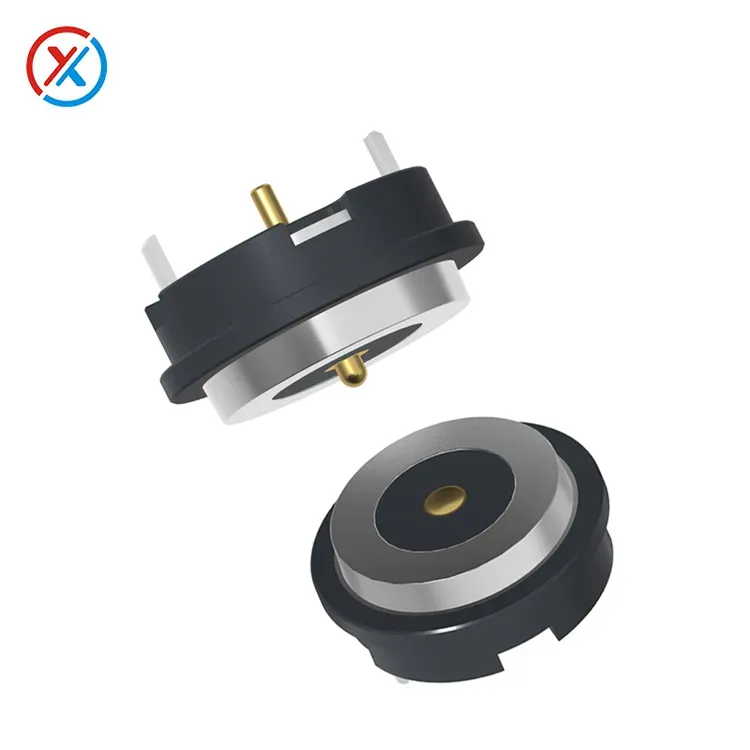
Application-Specific Performance Optimization
Different OEM applications require varying performance characteristics from their connection systems, and magnetic connectors can be optimized to meet these specific requirements. For outdoor or industrial applications, connectors can be designed with enhanced environmental sealing, corrosion-resistant coatings, and ruggedized construction to withstand harsh operating conditions. In consumer electronics applications, emphasis may be placed on aesthetic appeal, compact size, and smooth connection feel to enhance user experience.
Performance optimization also encompasses electrical characteristics such as current carrying capacity, voltage ratings, and signal transmission capabilities. High-power applications may require connectors with enhanced thermal management features, while data-intensive applications might prioritize low insertion loss and excellent signal integrity across wide frequency ranges. This application-specific optimization ensures that magnetic connectors deliver optimal performance within their intended operating environment while maintaining long-term reliability.
Integration Benefits for Device Manufacturers
Assembly Process Improvements
The integration of magnetic connectors into OEM device designs offers substantial improvements in manufacturing and assembly processes. The self-aligning properties of magnetic connectors significantly reduce assembly time and eliminate the need for precise mechanical alignment during production. This automation-friendly characteristic makes magnetic connectors particularly valuable in high-volume manufacturing environments where assembly efficiency directly impacts production costs and throughput capabilities.
Manufacturing processes also benefit from the reduced mechanical stress associated with magnetic connection systems. Traditional mechanical connectors often require specific insertion forces and precise alignment, which can complicate automated assembly processes and potentially damage delicate components. Magnetic connectors eliminate these concerns by providing gentle, automatic connection that reduces stress on both the connector components and surrounding device structures during assembly operations.
Enhanced User Experience and Device Durability
From an end-user perspective, magnetic connectors provide superior connection experiences compared to traditional mechanical alternatives. The effortless connection and disconnection enabled by magnetic attraction eliminates the frustration often associated with difficult-to-connect or wear-prone mechanical connectors. This improved user experience is particularly valuable in consumer electronics applications where connection ease directly impacts customer satisfaction and product adoption rates.
The durability advantages of magnetic connectors extend beyond user convenience to encompass long-term device reliability. Without mechanical insertion forces or wear surfaces, magnetic connectors maintain consistent performance throughout their operational lifetime. This durability translates to reduced warranty claims, lower maintenance requirements, and enhanced customer satisfaction for OEM manufacturers who integrate these advanced connection solutions into their product designs.
Technical Specifications and Design Considerations
Environmental Performance Standards
Professional magnetic connectors must meet stringent environmental performance standards to ensure reliable operation across diverse application conditions. Temperature performance typically ranges from -40°C to +125°C for industrial applications, while specialized variants can operate in even more extreme temperature environments. Humidity resistance, chemical compatibility, and UV stability are additional environmental factors that influence connector material selection and design specifications for specific OEM applications.
Vibration and shock resistance represent critical performance parameters for magnetic connectors used in mobile or transportation applications. These connectors must maintain secure connections despite mechanical disturbances that could potentially overcome magnetic holding forces. Advanced designs incorporate enhanced magnetic field strengths and mechanical retention features to ensure connection integrity under severe vibration conditions while maintaining easy manual disconnection capabilities.
Electrical Performance Characteristics
The electrical performance of magnetic connectors encompasses multiple parameters that must be carefully specified for OEM applications. Current carrying capacity typically ranges from milliamperes for signal applications to tens of amperes for power delivery systems. Voltage ratings vary similarly, with specialized high-voltage variants available for applications requiring kilovolt-level insulation capabilities. Contact resistance remains consistently low throughout the connector's operational lifetime, ensuring minimal voltage drop and power loss across connection interfaces.
Signal transmission characteristics become particularly important in high-frequency applications where magnetic connectors must maintain signal integrity across wide bandwidth ranges. Advanced connector designs incorporate controlled impedance geometries, minimal signal path lengths, and comprehensive electromagnetic shielding to support high-speed digital communications, RF applications, and sensitive analog signal transmission requirements without degradation or interference.
Industry Applications and Market Adoption
Consumer Electronics Integration
The consumer electronics industry has rapidly adopted magnetic connectors for various applications ranging from smartphone charging systems to wearable device interfaces. These applications benefit from the convenience and durability that magnetic connectors provide while meeting the aesthetic and functional requirements of modern consumer products. Laptop computers, tablets, and smart home devices increasingly incorporate magnetic connectors to enhance user experience while maintaining reliable electrical connections for both power and data transmission.
Gaming peripherals and professional audio equipment represent additional consumer market segments where magnetic connectors provide significant advantages. These applications often require frequent connection and disconnection cycles, making the wear-free operation of magnetic connectors particularly valuable. The professional audio industry especially appreciates the signal integrity capabilities of advanced magnetic connectors, which can maintain excellent audio quality while providing convenient connection solutions for complex equipment setups.
Industrial and Medical Device Applications
Industrial automation systems increasingly rely on magnetic connectors for sensor interfaces, control system connections, and modular equipment designs. The harsh environmental conditions common in industrial settings make the sealed, wear-resistant characteristics of magnetic connectors particularly valuable. These connectors enable quick equipment reconfiguration, simplified maintenance procedures, and enhanced system reliability in demanding industrial applications where connection failure could result in significant operational disruptions.
Medical device applications represent a specialized market segment where magnetic connectors provide unique advantages for patient safety and device functionality. The easy-disconnect feature of magnetic connectors enhances patient safety by preventing accidental cable entanglement or device damage due to excessive tension. Additionally, the sealed designs available in medical-grade magnetic connectors support sterilization requirements and contamination prevention protocols essential in healthcare environments.
FAQ
What makes magnetic connectors suitable for custom OEM applications
Magnetic connectors offer exceptional customization flexibility through configurable pin arrangements, housing materials, and magnetic holding forces. OEMs can specify exact electrical requirements, environmental performance criteria, and physical dimensions to match their specific application needs. This customization capability, combined with the inherent reliability and ease of use provided by magnetic connection technology, makes these connectors ideal for diverse OEM integration requirements across multiple industries.
How do magnetic connectors maintain electrical performance over time
Magnetic connectors maintain consistent electrical performance through spring-loaded contact systems that compensate for wear and dimensional variations. The magnetic attraction mechanism eliminates mechanical insertion wear while ensuring consistent contact pressure throughout the connector's operational lifetime. Advanced materials and plating technologies further enhance long-term performance by preventing corrosion and maintaining low contact resistance across thousands of connection cycles.
What environmental conditions can magnetic connectors withstand
Professional-grade magnetic connectors are designed to operate reliably across wide temperature ranges, typically from -40°C to +125°C, while maintaining resistance to humidity, chemicals, and mechanical shock. Specialized variants offer enhanced environmental protection including waterproof sealing, corrosion-resistant coatings, and ruggedized construction for demanding applications. The specific environmental capabilities depend on connector design and material selection optimized for particular application requirements.
How do magnetic connectors compare to traditional mechanical connectors in terms of reliability
Magnetic connectors typically offer superior reliability compared to traditional mechanical alternatives due to their wear-free operation and elimination of mechanical insertion stresses. The absence of physical engagement mechanisms reduces failure modes while the magnetic attraction provides consistent connection force regardless of usage cycles. This reliability advantage becomes particularly significant in applications requiring frequent connection operations or long-term maintenance-free performance.
Hot News
-
Challenges for Pogo pin manufacturers in the AI era
2023-12-14
-
Teach you how to understand Pogo pin spline structure
2023-12-14
-
What products can Pogo pin be used in?
2023-12-14
-
How to choose Pogo pin connector
2023-12-14