 EN
EN
 AR
AR
 BG
BG
 HR
HR
 CS
CS
 DA
DA
 NL
NL
 FI
FI
 FR
FR
 DE
DE
 EL
EL
 HI
HI
 IT
IT
 JA
JA
 KO
KO
 PL
PL
 PT
PT
 RU
RU
 ES
ES
 SV
SV
 TL
TL
 IW
IW
 ID
ID
 LV
LV
 SR
SR
 UK
UK
 VI
VI
 GL
GL
 HU
HU
 TH
TH
 TR
TR
 AF
AF
 MS
MS
 SW
SW
 GA
GA
 CY
CY
 IS
IS
 BN
BN
 BS
BS
 NE
NE

Milyen tartóssági szabványok fontosak tömegrendelés esetén mágneses kábelek beszerzésekor?
Amikor a vállalkozások stratégiai döntést hoznak a mágneses kábelmegoldások üzleti működésük céljára történő beszerzéséről, a tartóssági szabványok megértése elengedhetetlen a hosszú távú érték és az üzemeltetési megbízhatóság biztosításához. A mágneses kábelrendszerek beszerzési folyamata során gondosan értékelni kell több, a teljesítményt, a költséghatékonyságot és az ügyfélegyedelmezést közvetlenül befolyásoló tartóssági tényezőt különféle ipari alkalmazásokban.
Az ipari beszerzési csapatoknak összetett műszaki specifikációk között kell navigálniuk, miközben egyensúlyt teremtenek a minőségi követelmények és a költségvetési korlátok között. A mágneses kábelpiac számos lehetőséget kínál, de csak azoknak a termékeknek a kiválasztása, amelyek megfelelnek a szigorú tartóssági szabványoknak, garantálja a befektetés optimális megtérülését. A szakmai vásárlók egyre inkább felismerik, hogy az alacsonyabb minőségű termékek kezdeti költségmegtakarítása gyakran magasabb hosszú távú kiadásokhoz vezet, például gyakori cserék, karbantartási problémák és üzemzavarok miatt.
Mechanikai tartóssági vizsgálati szabványok
Hajlítási ciklusokra vonatkozó követelmények
A mechanikai feszültségvizsgálat bármely kereskedelmi célra szánt mágneses kábel esetében kritikus értékelési szempontot jelent. Az iparági szabványok szerinti hajlítási ciklusokra vonatkozó vizsgálatok általában azt követelik meg a kábelektől, hogy 10 000 és 50 000 hajlítási ciklust bírjanak el teljesítménycsökkenés nélkül. Ezek a vizsgálatok a gyakorlati használati mintákat szimulálják, amikor a kábelek normál üzemelés közben ismételt hajlításnak vannak kitéve, különösen mobil eszközök töltésére szolgáló alkalmazásokban és hordozható berendezések csatlakoztatásánál.
A professzionális színvonalú mágneses kábeltermékek olyan szigorú mechanikai vizsgálati protokollokon mennek keresztül, amelyek meghaladják a fogyasztói szintű követelményeket. A vizsgálati módszertan kontrollált hajlásszögeket foglal magában, amelyek általában 90 és 180 fok között mozognak, és a kábel hossza mentén meghatározott terhelési pontokon alkalmazzák őket. A minőségi gyártók dokumentálják ezeket a vizsgálati eredményeket, és tanúsítványt állítanak ki, amely igazolja a mechanikai tartósságra vonatkozó állításokat.
A fejlett tesztelési eljárások a kábelek teljesítményét is értékelik változó környezeti feltételek mellett, például hőmérséklet-ingadozások és páratartalom-változások esetén. Ez a komplex megközelítés biztosítja, hogy a mágneses kábelrendszerek konzisztens teljesítményt nyújtsanak különféle üzemeltetési környezetekben, a klímázott irodaterületektől a kihívást jelentő ipari környezetekig.
Húzószilárdsági specifikációk
A húzószilárdság-tesztelés azt a maximális húzóerőt méri, amelyet egy mágneses kábel elbír, mielőtt szerkezeti meghibásodást szenvedne. Az ipari szabványok általában 15–35 font (kb. 6,8–15,9 kg) közötti húzóterhelést írnak elő a kábelek számára, a célalkalmazástól és a kábel keresztmetszetétől függően. Ez a specifikáció különösen fontos azokban az alkalmazásokban, ahol a kábelek véletlen húzásnak lehetnek kitéve, vagy a csatlakozási pontok rendszeresen mechanikai igénybevételnek vannak kitéve.
A szakmai beszerzési csapatoknak ellenőrizniük kell, hogy a szállítók dokumentált húzószilárdsági adatokat szolgáltassanak szabványosított tesztelési eljárások alapján. Minőség mágneses kábel a gyártók megerősített csatlakozási pontokat és feszültségelvezető mechanizmusokat alkalmaznak, amelyek javítják az egész szerkezet szerkezeti integritását, miközben megőrzik a mágneses csatlakozás kényelmét. 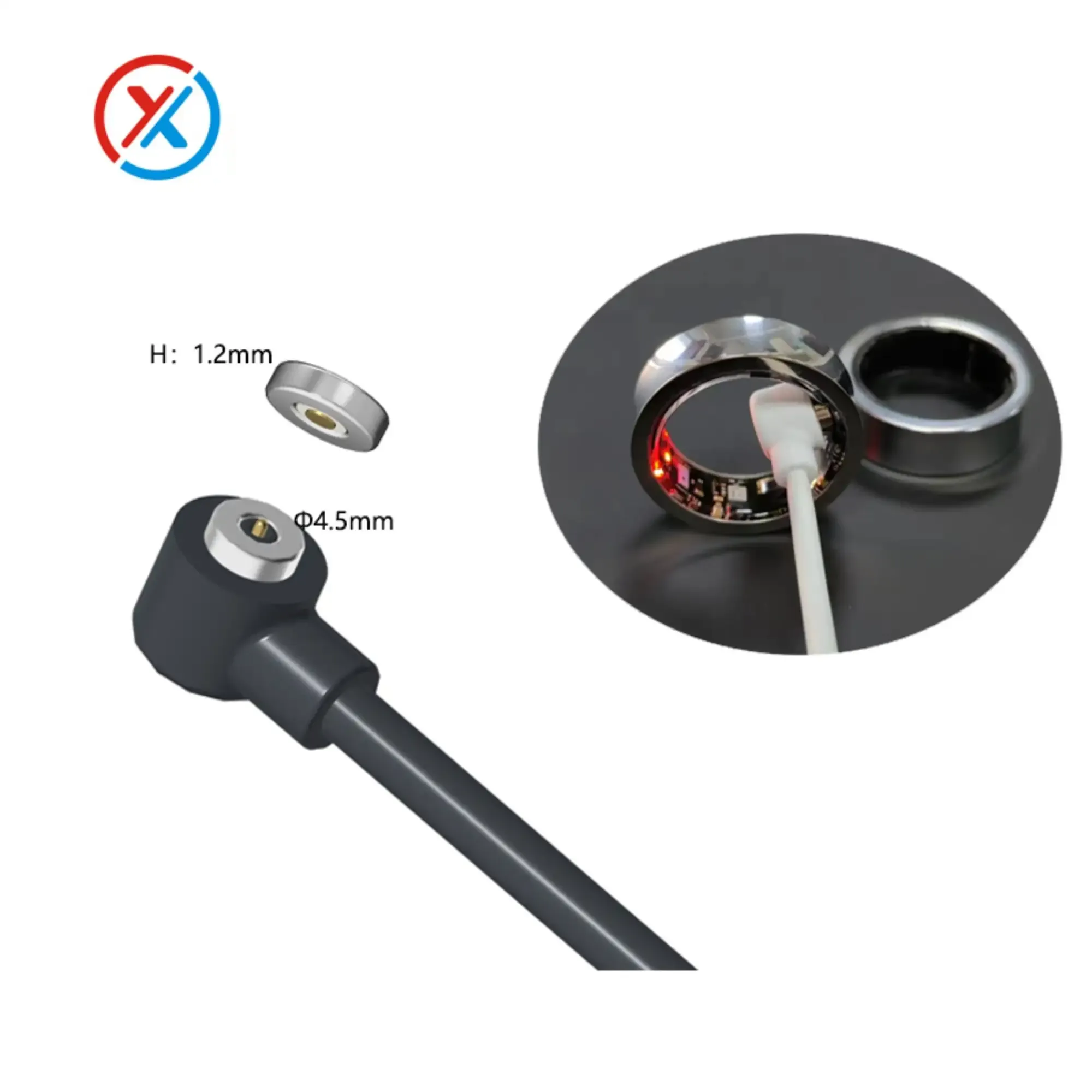
Környezeti Állósági Szabványok
Hőmérsékleti teljesítménytartományok
A működési hőmérséklet-tartományok jelentősen befolyásolják a mágneses kábelek élettartamát és teljesítménybeli megbízhatóságát kereskedelmi környezetekben. A szokásos előírások szerint a kábeleknek -20 °C és +85 °C közötti hőmérsékleti tartományban kell hatékonyan működniük, bár a prémium termékek gyakran túllépik ezeket a paramétereket. A hőmérséklet-ciklusos tesztek a kábelek teljesítményét értékelik ismételt felmelegedési és lehűlési ciklusokon keresztül, amelyek a szezonális ingerekre és az üzemelés során fellépő hőmérsékleti terhelésre adnak szimulációt.
A hőtágulás és hőösszehúzódás hatásai különös kihívást jelentenek a mágneses kábelek tervezése szempontjából, mivel ezek az erők idővel megséríthetik a kapcsolatok integritását. A minőségi termékek olyan anyagokat és gyártási technikákat alkalmaznak, amelyek minimálisra csökkentik a hőterhelést, miközben állandó elektromos teljesítményt biztosítanak. A szakmai vásárlóknak elsődleges szempontként kell kezelniük azokat a beszállítókat, akik részletes hőmérséklet-tesztelési adatokat és elismert tesztszervezetek által kiadott tanúsítványokat nyújtanak.
A hosszabb ideig tartó hőmérséklet-kitérítéses tesztelés felfedi azokat a lehetséges hibamódokat, amelyek nem jelennek meg a szokásos üzemelési körülmények között. Ez az információ különösen értékes olyan alkalmazások számára, amelyek hőmérséklet-érzékeny környezetben működnek – például orvosi berendezések, autóipari rendszerek és ipari automatizálás –, ahol a mágneses kábelek megbízhatósága közvetlenül befolyásolja a kritikus műveleteket.
A nedvesség és a vegyi anyagok ellenállása
A környezetvédelmi szabványok a mágneses kábelek teljesítményét befolyásoló nedvességbejutást, vegyi anyagokkal való érintkezést és korrózióállóságot szabályozzák nehéz üzemeltetési környezetekben. Az IP-jelölési osztályozások szabványosított mértékeket adnak a szilárd részecskékkel és folyadékokkal szembeni védettségről, ahol az IP54–IP67 jelölések gyakoriak kereskedelmi célú mágneses kábelek esetében.
A vegyi ellenállás vizsgálata a kábel teljesítményét értékeli olyan gyakori ipari oldószereknek, tisztítószereknek és környezeti szennyező anyagoknak való kitettség esetén. Ez a vizsgálat különösen fontos a mágneses kábelek gyártóüzemi, egészségügyi létesítményekben és élelmiszer-feldolgozó alkalmazásokban történő telepítésekor, ahol a vegyi anyagokkal való érintkezés a normál üzemelés során rendszeresen előfordul.
Elektromos Teljesítmény Szabványok
Áramtartási képesség
Az elektromos teljesítményspecifikációk meghatározzák azt a maximális áramot, amelyet egy mágneses kábel biztonságosan vezethet anélkül, hogy túlmelegedést, feszültségesést vagy teljesítménycsökkenést tapasztalna. A kereskedelmi célra gyártott mágneses kábelek szokásos áramerősség-jellemzői 2,4 A és 5 A között mozognak, magasabb értékek azonban speciális alkalmazásokhoz is elérhetők, ahol növelt teljesítménytovábbítási képességre van szükség.
Az áramvezető képesség közvetlenül összefügg a vezető keresztmetszetével, az anyag minőségével és a hőkezelési tervezéssel. A professzionális szintű mágneses kábelrendszerek fejlett vezetőanyagokat és hőelvezetési funkciókat tartalmaznak, amelyek biztosítják a konzisztens teljesítményt a maximális névleges terhelés mellett. A beszerzési csapatoknak ellenőrizniük kell, hogy a szállítók részletes elektromos tesztadatokat – például feszültségesés-méréseket és hőteljesítmény-jellemzőket – is szolgáltatnak.
A folyamatos terheléses vizsgálat a mágneses kábelek teljesítményét értékeli folyamatosan magas áramerősséget igénylő körülmények között, amelyek intenzív üzemeltetési forgatókönyveket szimulálnak. Ez a vizsgálat felfedi a lehetséges hőmérsékleti problémákat és a kapcsolat minőségének romlását, amelyek hosszabb távú üzemeltetés során veszélyeztethetik a rendszer megbízhatóságát.
Jel integritás megőrzése
Az adatátviteli képességek egy másik kulcsfontosságú tényezője a mágneses kábelek teljesítményének, különösen azokban az alkalmazásokban, amelyek megbízható kommunikációt igényelnek a csatlakoztatott eszközök között. Az jelintegritás-vizsgálat az átvitel minőségét, az elektromágneses interferencia elleni ellenállást és az adathibák arányát értékeli különböző üzemeltetési körülmények között.
A fejlett mágneses kábeltervek olyan pántolási technológiákat és impedancia-illesztési funkciókat tartalmaznak, amelyek megőrzik a jelminőséget, miközben fenntartják a mágneses kapcsolat kényelmét. A professzionális alkalmazások gyakran olyan kábeleket igényelnek, amelyek támogatják a nagysebességű adatátviteli protokollokat anélkül, hogy kompromittálnák a kapcsolat megbízhatóságát vagy adatátviteli hibákat okoznának.
Kapcsolat tartósságának értékelése
Mágneses erő műszaki specifikációi
A mágneses kapcsolat erőssége meghatározza a biztonságos rögzítés és az egyszerű leválasztás közötti egyensúlyt a mágneses kábelrendszerek esetében. Az ipari szabványok általában 2–8 font (0,9–3,6 kg) közötti tartóerőt írnak elő, amely az alkalmazási követelményektől és biztonsági szempontoktól függően változhat. Ennek az erőnek az egész termékéletciklus során állandónak kell maradnia a megbízható működés biztosítása érdekében.
A kapcsolat tartósságának vizsgálata a mágneses erő megtartását értékeli ismételt csatlakoztatási és leválasztási ciklusokon keresztül, amelyek száma általában 10 000 és 100 000 között mozog kereskedelmi alkalmazások esetében. A minőségi mágneses kábeltermékek az üzemelési élettartamuk során állandó kapcsolati erőt biztosítanak, miközben ellenállnak a környezeti tényezők vagy elektromos zavarok okozta lemágneseződésnek.
Érintkezési ellenállás stabilitása
Az elektromos érintkezési ellenállás a mágneses kapcsolódási pontokon jelentősen befolyásolja a rendszer teljesítményét és energiatakarékosságát. A szakmai mágneses kábelműszaki leírások kezdeti érintkezési ellenállást követelnek meg 50 milliohm alatt, minimális ellenállás-növekedéssel a termék üzemelési élettartama során. Ez a paraméter közvetlenül hat az átvitt teljesítmény hatékonyságára és az érintkezési pontokon keletkező hőfejlődésre.
Az érintkező felület kialakítása és az anyagválasztás kulcsszerepet játszik az alacsony ellenállású kapcsolatok fenntartásában. A prémium minőségű mágneses kábeltermékek fejlett érintkező anyagokat és felületkezeléseket alkalmaznak, amelyek ellenállók az oxidációnak, a szennyeződésnek és a mechanikai kopásnak, így megakadályozzák az idővel növekvő érintkezési ellenállást.
Minőségi tanúsítási követelmények
Nemzetközi szabványoknak való megfelelés
A mágneses kábelek beszerzésének átfogó minőségbiztosítása a vonatkozó nemzetközi szabványoknak és biztonsági előírásoknak való megfelelés ellenőrzését igényli. Ezek a szabványok a tervezett alkalmazástól és a földrajzi piacra vonatkozó követelményektől függően például az UL-elismerést, a CE-jelölést, az FCC-követelmények teljesítését és a RoHS-környezetvédelmi előírások betartását foglalják magukban.
A professzionális beszerzési csapatoknak olyan szállítókra kell összpontosítaniuk, akik részletes dokumentációt nyújtanak a szabványoknak való megfelelésről, és fenntartják a beismert tesztelő szervezetek aktuális tanúsításait. Ez a dokumentáció jogi védelmet nyújt, és biztosítja, hogy a mágneses kábeltermékek megfeleljenek a kereskedelmi üzembe helyezéshez szükséges minimális biztonsági és teljesítménykövetelményeknek.
Beszállítói minőségirányítási rendszerek
A beszállítók minősítési folyamatainak értékelniük kell a minőségirányítási rendszereket, a vizsgálati képességeket és a folyamatos fejlesztési programokat, amelyek biztosítják a mágneses kábelek minőségének állandóságát. Az ISO 9001 tanúsítás alapvető minőségirányítási ellenőrzést nyújt, míg szakspecifikus ipari szabványok vonatkozhatnak specializált alkalmazásokra, például orvosi eszközökre vagy autóipari rendszerekre.
A folyamatos minőségellenőrzési programok lehetővé teszik a teljesítménybeli tendenciák és potenciális problémák korai azonosítását, amelyek befolyásolhatják a mágneses kábelek megbízhatóságát. A szakmai beszállítók átfogó minőségellenőrzési eljárásokat alkalmaznak, ideértve az érkező anyagok ellenőrzését, a folyamat közbeni vizsgálatokat és a végtermék érvényesítését annak biztosítására, hogy a teljesítmény állandó maradjon.
Költség-hatékonyság elemzési keretrendszer
Teljes tulajdonlási költség értékelése
Az hatékony beszerzési döntések meghozatalához átfogó teljes tulajdonosi költség-elemzés szükséges, amely figyelembe veszi a kezdeti vásárlási árat, az üzemeltetési költségeket, a karbantartási igényeket és a cserék gyakoriságát. A magas minőségű mágneses kábeltermékek általában kiváló hosszú távú értéket nyújtanak, még akkor is, ha kezdeti költségük magasabb, mivel hosszabb üzemidejük és csökkentett karbantartási igényük van.
A szakmai beszerzőknek standardizált értékelési kritériumokat kell kidolgozniuk, amelyek számszerűsítik a tartóssági szabványok és az üzemeltetési költségek közötti kapcsolatot. Ennek az elemzésnek figyelembe kell vennie például a kábelcseréhez szükséges munkaerő-költségeket, az üzemszünetekből eredő kiadásokat, valamint a kritikus alkalmazásokban fellépő kábelhibák miatt potenciálisan felmerülő felelősségi kérdéseket.
Teljesítménykockázat értékelés
A kockázatértékelési keretrendszerek segítenek mennyiségi értékelést adni a mágneses kábelek meghibásodásának lehetséges következményeiről, és meghatározzák az adott alkalmazásokhoz szükséges megfelelő tartóssági követelményeket. A kritikus alkalmazások esetében indokolt lehet prémium termékek beszerzése, amelyek fokozott tartóssági specifikációkkal rendelkeznek, hogy minimalizálják a működési zavarok kockázatát és az ezekhez kapcsolódó költségeket.
A teljes kockázatelemzésnek figyelembe kell vennie a meghibásodási módok hatásait, a cserealkatrészek elérhetőségét, valamint a rendszer redundancia képességét, amelyek befolyásolják a mágneses kábelek kiválasztására vonatkozó döntéseket. Ez az elemzés lehetővé teszi a jól informált beszerzési döntéseket, amelyek összehangolják a költségvetési szempontokat az üzemeltetési megbízhatósági követelményekkel.
GYIK
Milyen vizsgálati szabványokat követeljek meg a mágneses kábel-szálítóktól?
A professzionális mágneses kábelbeszerzésnél a szállítóktól teljes körű tesztelési dokumentációk szükségesek, ideértve a hajlítási ciklusok vizsgálatát, a húzószilárdság ellenőrzését, a hőmérséklet-ciklusok eredményeit és az elektromos teljesítményre vonatkozó adatokat. Olyan szállítókat keressen, akik megfelelnek a vonatkozó UL-, CE- és FCC-szabványoknak, és részletes tesztjelentéseket nyújtanak elismert, akkreditált vizsgáló laboratóriumoktól. Emellett kérje a minőségirányítási rendszerekre vonatkozó információkat, például az ISO 9001 tanúsítványt, amely a gyártási folyamatok konzisztenciáját igazolja.
Hogyan értékeljem a mágneses kábeltermékek hosszú távú megbízhatóságát?
A hosszú távú megbízhatóság értékeléséhez szükséges az gyorsított öregedési tesztek eredményeinek, hasonló alkalmazások mezői teljesítményadatainak és a szállító korábbi teljesítésére vonatkozó információinak elemzése. Kérjük, részletes információt a termék életciklus-tesztelésről, beleértve a hőmérséklet-ciklusos, páratartalom-kitétségi és mechanikai terheléses teszteket, amelyek hosszabb üzemelési időszakot szimulálnak. A szakmailag kompetens szállítók garanciális feltételeket kell, hogy nyújtsanak, amelyek tükrözik a hosszú távú termék-teljesítmény iránti bizalmukat, és technikai támogatást kell biztosítaniuk a teljesítményfigyeléshez.
Milyen mágneses erő-specifikációk megfelelőek kereskedelmi alkalmazásokhoz?
A kereskedelmi célú mágneses kábelek alkalmazásai általában 2–8 font (kb. 0,9–3,6 kg) közötti tartóerőt igényelnek, a konkrét felhasználási esettől és biztonsági követelményektől függően. A magasabb erőjellemzők biztonságosabb kapcsolatot biztosítanak, de nagyobb leválasztási erőt is igényelhetnek, ami negatívan befolyásolhatja a felhasználói élményt. A mágneses erőre vonatkozó követelmények meghatározásakor figyelembe kell venni az alkalmazással kapcsolatos tényezőket, például a rezgésnek való kitettséget, a kábel súlyát és a felhasználói interakció gyakoriságát. A minőségi szállítók részletes műszaki adatokat és vizsgálati eredményeket nyújtanak a megfelelő kiválasztási döntések támogatására.
Milyen módon befolyásolják a környezeti tényezők a mágneses kábelek tartóssági követelményeit?
A környezeti feltételek jelentősen befolyásolják a mágneses kábelek teljesítményét és tartóssági követelményeit, különösen a hőmérsékleti szélsőségek, a páratartalom-szintek, a vegyi anyagokkal való érintkezés és a mechanikai igénybevételek szempontjából. A kihívást jelentő környezetekben alkalmazott megoldások esetén gyakran szükség van fokozott IP-védettségre, kibővített hőmérséklet-tartományra és speciális anyagválasztásra, amelyek ellenállnak a környezeti károsodásnak. A szakmai beszerzési csapatoknak alapos környezeti elemzést kell végezniük, és olyan mágneses kábeltermékeket kell kiválasztaniuk, amelyek megfelelő védettségi szinttel rendelkeznek, így biztosítva a megbízható hosszú távú működést a konkrét üzemeltetési körülmények között.