 EN
EN
 AR
AR
 BG
BG
 HR
HR
 CS
CS
 DA
DA
 NL
NL
 FI
FI
 FR
FR
 DE
DE
 EL
EL
 HI
HI
 IT
IT
 JA
JA
 KO
KO
 PL
PL
 PT
PT
 RU
RU
 ES
ES
 SV
SV
 TL
TL
 IW
IW
 ID
ID
 LV
LV
 SR
SR
 UK
UK
 VI
VI
 GL
GL
 HU
HU
 TH
TH
 TR
TR
 AF
AF
 MS
MS
 SW
SW
 GA
GA
 CY
CY
 IS
IS
 BN
BN
 BS
BS
 NE
NE

विभिन्न चार्जिंग समाधानों के लिए चुंबकीय केबल को कैसे अनुकूलित किया जाता है?
चुंबकीय केबल तकनीक के आगमन के साथ आधुनिक चार्जिंग समाधानों में काफी विकास हुआ है, जिससे हमारे उपकरणों को कैसे कनेक्ट और पावर करना बदल गया है। एक चुंबकीय केबल प्रतिवर्ती डिज़ाइन और सुरक्षित चुंबकीय कनेक्शन के माध्यम से अभूतपूर्व सुविधा प्रदान करता है, जिससे पारंपरिक चार्जिंग पोर्ट्स के साथ जुड़े घिसावट और क्षरण को खत्म कर दिया जाता है। ये नवाचारी चार्जिंग समाधान शक्तिशाली चुंबकों का उपयोग विश्वसनीय विद्युत कनेक्शन बनाने के लिए करते हैं, जबकि अत्यधिक बल लगाए जाने पर सुरक्षित ढंग से डिस्कनेक्ट होने की लचीलापन बनाए रखते हैं। चुंबकीय केबल प्रणालियों के लिए कस्टमाइज़ेशन की संभावनाएं व्यावहारिक रूप से असीमित हैं, जो निर्माताओं को विशिष्ट उद्योगों, उपकरणों और उपयोगकर्ता आवश्यकताओं के लिए समाधान अनुकूलित करने की अनुमति देती हैं।
चुंबकीय केबल तकनीक की बहुमुखी प्रकृति उपभोक्ता इलेक्ट्रॉनिक्स से लेकर औद्योगिक उपकरणों तक कई अनुप्रयोगों में फैली हुई है। प्रत्येक अनुप्रयोग के लिए इष्टतम प्रदर्शन, सुरक्षा और संगतता सुनिश्चित करने के लिए विशिष्ट अनुकूलन मापदंडों की आवश्यकता होती है। इन अनुकूलन विकल्पों को समझने से व्यवसायों और निर्माताओं को अपनी विशिष्ट चार्जिंग आवश्यकताओं के लिए सबसे उपयुक्त चुंबकीय केबल समाधान चुनने में सक्षम बनाया जाता है। चुंबकीय केबलों को अनुकूलित करने की क्षमता ने उपकरण निर्माताओं के लिए नए संभावनाओं को खोला है, जिससे वे अधिक टिकाऊ, उपयोगकर्ता-अनुकूल और कुशल चार्जिंग प्रणाली बना सकते हैं।
मूल घटक और डिज़ाइन के मूल सिद्धांत
चुंबकीय कनेक्टर वास्तुकला
किसी प्रभावी चुंबकीय केबल का आधार उसके कनेक्टर आर्किटेक्चर में होता है, जो चार्जिंग समाधान की ताकत, विश्वसनीयता और कार्यक्षमता निर्धारित करता है। चुंबकीय कनेक्टर में आमतौर पर एक आधार कनेक्टर शामिल होता है जो डिवाइस से जुड़ा रहता है और एक अलग किया जा सकने वाला केबल भाग जो चुंबकीय बल के माध्यम से जुड़ता है। इस दो-भाग वाली प्रणाली से सामान्य उपयोग के दौरान आसान कनेक्शन होता है, जबकि डिवाइस के चार्जिंग पोर्ट को बार-बार लगाने और निकालने के तनाव से सुरक्षा मिलती है। चुंबकीय ताकत को सामान्य उपयोग के दौरान सुरक्षित कनेक्शन प्रदान करने के लिए सावधानीपूर्वक नियंत्रित किया जाना चाहिए, जबकि अत्यधिक बल लगाए जाने पर सुरक्षित विच्छेदन की अनुमति देता है।
इष्टतम चुंबकीय कनेक्टर के इंजीनियरिंग के लिए चुंबक की स्थिति, ध्रुवता और आवास सामग्री पर सटीक विचार आवश्यक है। कनेक्टर आवास को आंतरिक घटकों की सुरक्षा करनी चाहिए, साथ ही दक्ष चुंबकीय क्षेत्र अंतःक्रिया की अनुमति भी देनी चाहिए। कनेक्टर की टिकाऊपन में सामग्री के चयन की महत्वपूर्ण भूमिका होती है, जिसमें उद्देश्य के आधार पर एल्यूमीनियम मिश्र धातु से लेकर प्रबलित प्लास्टिक तक विकल्प शामिल हैं। कनेक्टर डिज़ाइन केबल के समग्र प्रोफ़ाइल को भी प्रभावित करता है, जो विभिन्न वातावरणों में पोर्टेबिलिटी और उपयोगकर्ता अनुभव को प्रभावित करता है। 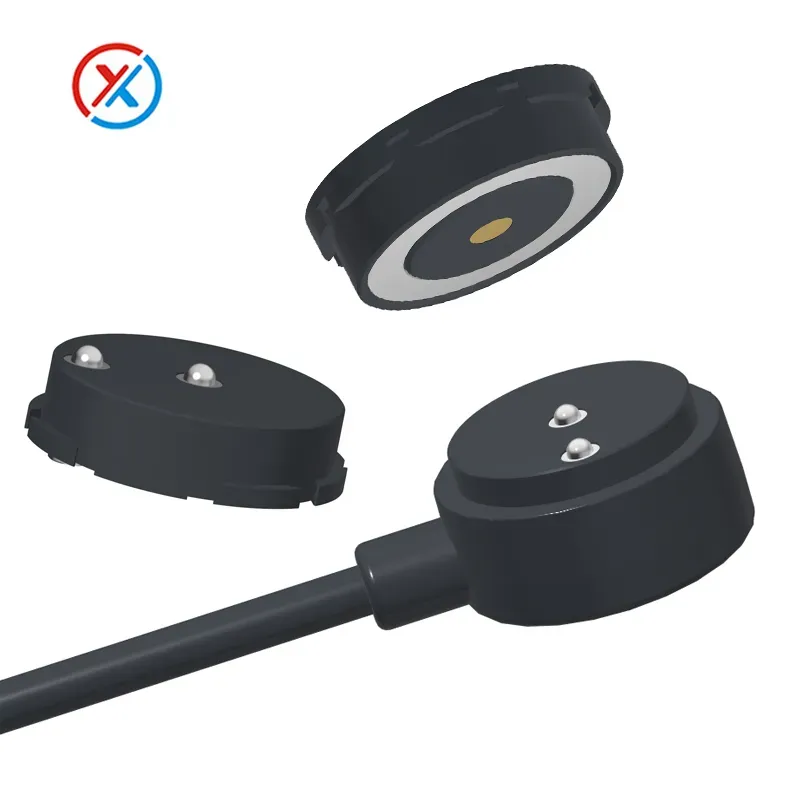
पिन विन्यास और विद्युत विनिर्देश
पिन विन्यास को अनुकूलित करना चुंबकीय केबल डिज़ाइन के सबसे महत्वपूर्ण पहलुओं में से एक है, जो सीधे चार्जिंग गति, डेटा स्थानांतरण क्षमताओं और उपकरण संगतता को प्रभावित करता है। मानक विन्यासों में बुनियादी बिजली आपूर्ति के लिए 2-पिन, बिजली और एकल-दिशा डेटा के लिए 3-पिन तथा उच्च-गति डेटा स्थानांतरण और उन्नत चार्जिंग प्रोटोकॉल के लिए बहु-पिन व्यवस्था शामिल है। विद्युत विशिष्टताओं को लक्षित उपकरण की आवश्यकताओं के अनुरूप होना चाहिए, जिसमें वोल्टेज सीमा, धारा क्षमता और सिग्नल इंटीग्रिटी पैरामीटर शामिल हैं।
उन्नत चुंबकीय केबल प्रणालियों में बुद्धिमान पिन विन्यास शामिल होते हैं जो एक साथ कई प्रोटोकॉल का समर्थन करते हैं। ये विन्यास त्वरित चार्जिंग, डेटा समन्वय, और एकल चुंबकीय कनेक्शन के माध्यम से वीडियो आउटपुट जैसी सुविधाओं को सक्षम बनाते हैं। विश्वसनीय विद्युत संपर्क सुनिश्चित करते हुए चुंबकीय कनेक्शन की ताकत बनाए रखने के लिए पिन स्पेसिंग और संपर्क सामग्री का सावधानीपूर्वक अनुकूलन आवश्यक है। स्वर्ण-लेपित संपर्क उत्कृष्ट चालकता और संक्षारण प्रतिरोध प्रदान करते हैं, जो विभिन्न पर्यावरणीय स्थितियों में दीर्घकालिक विश्वसनीयता के लिए आवश्यक हैं।
उपकरण संगतता के लिए अनुकूलन
स्मार्टफोन और टैबलेट अनुप्रयोग
स्मार्टफोन और टैबलेट निर्माता उपयोगकर्ता अनुभव में सुधार करने और उपकरण की अखंडता को बनाए रखने के लिए चुंबकीय केबल समाधानों को अपनाने में वृद्धि कर रहे हैं। मोबाइल उपकरणों के लिए अनुकूलन आधुनिक उपकरणों की सुंदरता के अनुरूप पतले डिज़ाइन बनाने पर केंद्रित है, साथ ही मजबूत चार्जिंग क्षमता प्रदान करते हुए। चुंबकीय केबल डिज़ाइन को पावर डिलीवरी या क्विक चार्ज तकनीक जैसे त्वरित चार्जिंग प्रोटोकॉल के लिए समर्थन सहित उपकरण की चार्जिंग आवश्यकताओं को पूरा करना चाहिए। मोबाइल उपकरणों में आकार संबंधी सीमाएं संक्षिप्त चुंबकीय कनेक्टर्स की मांग करती हैं जो उपकरण की स्लीक उपस्थिति को भारित न करें।
मोबाइल डिवाइस कस्टमाइज़ेशन उपयोगकर्ता व्यवहार पैटर्न और पर्यावरणीय कारकों पर भी विचार करता है। मैग्नेटिक कनेक्शन की मजबूती को जेब में रखने के लिए अनुकूलित करने की आवश्यकता होती है, जहां गलती से कनेक्शन टूटना समस्याजनक हो सकता है, जबकि जानबूझकर निकालना आसान बना रहे। वॉटरप्रूफिंग एक अन्य महत्वपूर्ण कस्टमाइज़ेशन पहलू है, जिसमें सीलबंद मैग्नेटिक कनेक्टर डिवाइस को पानी प्रतिरोधी बनाते हैं। केबल की लंबाई और लचीलापन आम मोबाइल उपयोग परिदृश्यों के अनुकूल होना चाहिए, बिस्तर के पास चार्जिंग से लेकर डेस्कटॉप कनेक्टिविटी तक।
लैपटॉप और कंप्यूटिंग डिवाइस एकीकरण
लैपटॉप कंप्यूटर और कंप्यूटिंग डिवाइस में उनकी अधिक बिजली आवश्यकताओं और विविध संचार आवश्यकताओं के कारण अनुकूलन की विशिष्ट चुनौतियाँ होती हैं। मोबाइल डिवाइस की तुलना में लैपटॉप के लिए चुंबकीय केबल को काफी अधिक वाटत को संभालने में सक्षम होना चाहिए, जिसके लिए अक्सर विशिष्ट पिन विन्यास और बढ़ी हुई ठंडक के लिए विचार आवश्यक होते हैं। कनेक्टर डिज़ाइन लैपटॉप के पोर्ट लेआउट को समायोजित करने के साथ-साथ सामान्य उपयोग और परिवहन के दौरान कनेक्शन बनाए रखने के लिए पर्याप्त चुंबकीय शक्ति प्रदान करने में सक्षम होना चाहिए।
कंप्यूटिंग डिवाइस एप्लिकेशन में अक्सर चुंबकीय केबल समाधानों में बहु-कार्यक्षमता की आवश्यकता होती है, जिसमें उच्च-गति डेटा स्थानांतरण और डिस्प्ले कनेक्टिविटी के साथ-साथ बिजली की आपूर्ति को जोड़ा जाता है। अनुकूलन में USB-C पावर डिलीवरी, थंडरबोल्ट या विशिष्ट चार्जिंग मानक जैसे प्रोटोकॉल के लिए समर्थन शामिल हो सकता है। केबल निर्माण में कई डेटा चैनलों में सिग्नल अखंडता बनाए रखते हुए विद्युत चुम्बकीय हस्तक्षेप को न्यूनतम करना आवश्यक है। जहां आवृत्त संयोजन और अलगाव चक्र सामान्य होते हैं, वहां पेशेवर कंप्यूटिंग वातावरण में टिकाऊपन सर्वोच्च महत्व का हो जाता है।
औद्योगिक एवं विशिष्ट अनुप्रयोग
ऑटोमोटिव और परिवहन समाधान
मोटर वाहन उद्योग ने उपभोक्ता और वाणिज्यिक वाहन अनुप्रयोगों दोनों के लिए चुंबकीय केबल प्रौद्योगिकी को अपनाया है, जिससे कस्टमाइज़ेशन में महत्वपूर्ण नवाचार हुए हैं। ऑटोमोटिव चुंबकीय केबल्स को वाहनों के वातावरण में सामान्य चरम तापमान परिवर्तन, कंपन, नमी और विद्युत हस्तक्षेप का सामना करना पड़ता है। इसमें मजबूत आवास सामग्री, बढ़ी हुई सीलिंग तंत्र और विशिष्ट संपर्क सामग्री शामिल हैं जो कठोर परिस्थितियों के तहत चालकता बनाए रखती हैं।
वाहन-विशिष्ट कस्टमाइज़ेशन अद्वितीय माउंटिंग विन्यास और उपयोगकर्ता पहुंच की आवश्यकताओं को संबोधित करता है। डैशबोर्ड एकीकरण के लिए कम प्रोफ़ाइल वाले कनेक्टर्स की आवश्यकता होती है जो आंतरिक डिज़ाइन के साथ बिल्कुल फिट बैठते हैं और ड्राइवरों के लिए सहज कनेक्शन प्रदान करते हैं। चुंबकीय केबल सिस्टम को वाहन के विद्युत प्रणाली वोल्टेज सीमा में विश्वसनीय ढंग से काम करना चाहिए और आधुनिक वाहन इलेक्ट्रॉनिक्स द्वारा उत्पन्न विद्युत चुम्बकीय वातावरण का सामना करना चाहिए। सुरक्षा पर विचार में फेल-सेफ डिस्कनेक्शन तंत्र और ऑटोमोटिव विद्युत मानकों के साथ अनुपालन शामिल है।
मेडिकल डिवाइस एप्लीकेशन
चुंबकीय केबल तकनीक के लिए मेडिकल उपकरण अनुप्रयोग कुछ सबसे अधिक मांग वाली अनुकूलन आवश्यकताओं का प्रतिनिधित्व करते हैं, जिसमें मरीज की सुरक्षा, स्वच्छता और विनियामक अनुपालन पर जोर दिया गया है। मेडिकल-ग्रेड चुंबकीय केबल को कठोर जैविक संगतता मानकों को पूरा करना चाहिए और निष्फल वातावरण में विश्वसनीय प्रदर्शन प्रदान करना चाहिए। अनुकूलन में रोगाणुरोधी सतह उपचार, सीलबंद कनेक्टर डिज़ाइन और ऐसी सामग्री शामिल है जो बार-बार स्टरलाइजेशन चक्र का बिना घिसे सहन कर सके।
चिकित्सा उपकरणों की विशिष्ट आवश्यकताएँ अक्सर सुविधा विशेषताओं की तुलना में सुरक्षा को प्राथमिकता देने वाले विशेष चुंबकीय केबल विन्यासों की आवश्यकता करती हैं। गलती से डिस्कनेक्शन को रोकने के लिए फेल-सेफ तंत्र महत्वपूर्ण प्रक्रियाओं के दौरान सुरक्षा प्रदान करते हैं, जबकि आपातकालीन डिस्कनेक्शन की सुविधा भी बनाए रखते हैं। विद्युत अलगाव और सिग्नल इंटीग्रिटी की आवश्यकताएँ उपभोक्ता अनुप्रयोगों से अधिक होती हैं, जिससे नैदानिक और निगरानी उपकरणों के लिए सटीक डेटा संचरण सुनिश्चित होता है। विनियामक अनुपालन अनुकूलन प्रक्रिया के अधिकांश हिस्से को निर्धारित करता है, जिसमें विकास चक्र के दौरान व्यापक दस्तावेजीकरण और परीक्षण आवश्यकताएँ शामिल होती हैं।
निर्माण और उत्पादन पर विचार
सामग्री का चयन और गुणवत्ता नियंत्रण
अनुकूलित चुंबकीय केबल के निर्माण प्रक्रिया प्रदर्शन आवश्यकताओं, लागत विचारों और पर्यावरणीय कारकों के बीच संतुलन बनाए रखते हुए सावधानीपूर्वक सामग्री के चयन के साथ शुरू होती है। उच्च-गुणवत्ता वाले स्थायी चुंबक, आमतौर पर नियोडिमियम-आधारित, विश्वसनीय कनेक्शन के लिए आवश्यक चुंबकीय बल प्रदान करते हैं, जबकि संकुचित रूप कारकों को बनाए रखते हैं। आवास सामग्री चुंबकीय गुणों के अनुरूप होनी चाहिए, साथ ही उपयुक्त यांत्रिक सुरक्षा और सौंदर्य आकर्षण प्रदान करनी चाहिए। उपभोक्ता अनुप्रयोगों के लिए उन्नत बहुलक सामग्री उत्कृष्ट टिकाऊपन और डिजाइन लचीलापन प्रदान करती हैं, जबकि औद्योगिक वातावरण में धातु आवास उत्कृष्ट सुरक्षा प्रदान करते हैं।
गुणवत्ता नियंत्रण प्रक्रियाएँ बड़े उत्पादन आयतन में लगातार प्रदर्शन सुनिश्चित करती हैं, जिसमें विशेष परीक्षण उपकरण चुंबकीय शक्ति, विद्युत संततता और यांत्रिक स्थायित्व को सत्यापित करते हैं। प्रत्येक चुंबकीय केबल को कनेक्शन बल के माप, विद्युत प्रतिरोध के सत्यापन और पर्यावरणीय तनाव परीक्षण सहित कठोर परीक्षण से गुजरना पड़ता है। सभी इकाइयों में उचित चुंबकीय संरेखण और विश्वसनीय विद्युत संपर्क सुनिश्चित करने के लिए उत्पादन सहनशीलता को कड़ाई से नियंत्रित करना चाहिए। उन्नत निर्माण तकनीकें विश्वसनीय चुंबकीय केबल प्रदर्शन के लिए आवश्यक परिशुद्धता को बनाए रखते हुए लागत प्रभावी उत्पादन को सक्षम करती हैं।
मापने योग्यता और लागत अनुकूलन
चुंबकीय केबल के सफल अनुकूलन के लिए निर्माण में मापदंडों के अनुकूलन और लागत अनुकूलन रणनीतियों पर सावधानीपूर्वक विचार करना आवश्यक है। प्रारंभिक अनुकूलन निवेश में टूलिंग विकास, सामग्री योग्यता और परीक्षण प्रोटोकॉल स्थापना शामिल है। हालाँकि, चुंबकीय केबल डिज़ाइन की मॉड्यूलर प्रकृति मानकीकृत घटकों और लचीली असेंबली प्रक्रियाओं के माध्यम से कुशलतापूर्वक स्केलिंग की अनुमति देती है। निर्माता मुख्य घटकों को मानकीकृत करके लागत का अनुकूलन कर सकते हैं, जबकि कनेक्टर हाउजिंग, केबल लंबाई और पिन विन्यास जैसे विशिष्ट तत्वों को अनुकूलित कर सकते हैं।
उत्पादन मात्रा विशिष्ट अनुकूलन विकल्पों की आर्थिक व्यवहार्यता को काफी हद तक प्रभावित करती है, जहाँ उच्च-मात्रा अनुप्रयोग अधिक परिष्कृत निर्माण प्रक्रियाओं और सामग्री को सही ठहराते हैं। कम मात्रा वाले विशेषीकृत अनुप्रयोगों को मॉड्यूलर डिज़ाइन और मानक घटकों के उपयोग पर ध्यान केंद्रित करके भिन्न अनुकूलन रणनीतियों की आवश्यकता हो सकती है। चुंबकीय केबल उद्योग लगातार अधिक लागत प्रभावी निर्माण तकनीकों को विकसित कर रहा है, जिससे छोटे पैमाने के अनुप्रयोगों और उभरते बाजारों के लिए अनुकूलन सुलभ हो रहा है।
भविष्य के रुझान और नवाचार
स्मार्ट मैग्नेटिक केबल तकनीक
चुंबकीय केबल अनुकूलन के भविष्य में स्मार्ट प्रौद्योगिकियों का एकीकरण शामिल है जो मूल चार्जिंग क्षमताओं से परे कार्यक्षमता और उपयोगकर्ता अनुभव को बढ़ाता है। स्मार्ट चुंबकीय केबल में एम्बेडेड सूक्ष्म प्रोसेसर शामिल होते हैं जो उपकरण पहचान, बिजली समझौता और उपयोग निगरानी जैसी सुविधाओं को सक्षम करते हैं। ये बुद्धिमान प्रणाली उपकरण आवश्यकताओं और पर्यावरणीय परिस्थितियों के आधार पर चार्जिंग मापदंडों का अनुकूलन कर सकती हैं, जिससे बैटरी जीवन बढ़ता है और चार्जिंग दक्षता में सुधार होता है।
उन्नत चुंबकीय केबल प्रणालियों में वायरलेस संचार क्षमताएँ शामिल हो सकती हैं, जो अतिरिक्त कनेक्शन के बिना स्थिति निगरानी और दूरस्थ निदान को सक्षम करती हैं। इंटरनेट ऑफ थिंग्स (IoT) प्लेटफॉर्म के साथ एकीकरण व्यावसायिक और औद्योगिक अनुप्रयोगों में चार्जिंग बुनियादी ढांचे के केंद्रीकृत प्रबंधन की अनुमति देता है। स्मार्ट तकनीक एकीकरण के साथ अनुकूलन की संभावनाएँ काफी बढ़ जाती हैं, जो एक्सेस नियंत्रण, उपयोग विश्लेषण और पूर्वानुमानित रखरखाव क्षमताओं जैसी अनुप्रयोग-विशिष्ट सुविधाओं को सक्षम करती हैं।
पर्यावरणीय और उत्पादनशीलता पर विचार
पर्यावरणीय स्थिरता चुंबकीय केबल कस्टमाइज़ेशन निर्णयों को अधिकाधिक प्रभावित कर रही है, जो सामग्री चयन और विनिर्माण प्रक्रियाओं में नवाचार को बढ़ावा दे रही है। पुनर्चक्रित सामग्री और बायोडीग्रेडेबल घटक उच्च-मात्रा उपभोक्ता अनुप्रयोगों के लिए कस्टमाइज़ेशन परियोजनाओं में मानक विचार बन रहे हैं। चुंबकीय केबल प्रौद्योगिकी के टिकाऊपन के फायदे उत्पाद जीवन चक्र को बढ़ाकर और कनेक्टर के घिसाव को कम करके इलेक्ट्रॉनिक कचरे को कम करके स्थिरता लक्ष्यों में योगदान देते हैं।
भविष्य के अनुकूलन रुझानों में कार्बन-तटस्थ विनिर्माण प्रक्रियाएं और डिजाइन निर्णयों में जीवन चक्र मूल्यांकन एकीकरण शामिल है। चुंबकीय केबल तकनीक के अंतर्निहित स्थायित्व लाभ स्थिरता उद्देश्यों के साथ अच्छी तरह से अनुरूप होते हैं, क्योंकि कम यांत्रिक तनाव केबल और उपकरण पोर्ट दोनों के जीवन चक्र को बढ़ा देता है। चुंबकीय केबल घटकों के लिए विशेष रूप से डिज़ाइन किए गए नवीन रीसाइक्लिंग कार्यक्रम उभर रहे हैं, जो इन विशिष्ट चार्जिंग समाधानों के लिए जिम्मेदार अंत-उपयोग प्रबंधन को सक्षम करते हैं।
सामान्य प्रश्न
चुंबकीय केबल के लिए उपलब्ध अनुकूलन विकल्पों को निर्धारित करने वाले कौन से कारक हैं
चुंबकीय केबल्स के लिए अनुकूलन विकल्प मुख्य रूप से आवेदन की आवश्यकताओं पर निर्भर करते हैं, जिसमें शक्ति वितरण की आवश्यकताएं, डेटा स्थानांतरण क्षमता, पर्यावरणीय परिस्थितियां और भौतिक सीमाएं शामिल हैं। कनेक्टर के आकार, पिन विन्यास और विद्युत विनिर्देश जैसे उपकरण संगतता आवश्यकताएं कई अनुकूलन निर्णयों को निर्धारित करती हैं। उत्पादन मात्रा भी उपलब्ध विकल्पों को प्रभावित करती है, जहां उच्च मात्रा अधिक विशिष्ट अनुकूलन सुविधाओं को सक्षम करती है, जबकि छोटी मात्रा में मानक घटक-आधारित दृष्टिकोण की आवश्यकता हो सकती है।
विभिन्न अनुकूलनों के पार चुंबकीय केबल्स विद्युत विश्वसनीयता बनाए रखने के लिए कैसे काम करते हैं
विभिन्न अनुकूलनों के आर-पार चुंबकीय केबल की विश्वसनीयता चुंबकीय संपर्क प्रणाली और विद्युत संपर्क डिज़ाइन के सटीक इंजीनियरिंग के माध्यम से बनाए रखी जाती है। विश्वसनीय विद्युत संपर्क दबाव सुनिश्चित करने के लिए, जबकि आवश्यकता पड़ने पर सुरक्षित विच्छेदन की अनुमति देने के लिए, चुंबकीय बल को सावधानीपूर्वक समायोजित किया जाना चाहिए। उच्च-गुणवत्ता वाले संपर्क सामग्री, आमतौर पर स्वर्ण-लेपित, विभिन्न पर्यावरणीय परिस्थितियों में उत्कृष्ट चालकता और संक्षारण प्रतिरोध प्रदान करते हैं। उन्नत चुंबकीय केबल डिज़ाइन में आत्म-सफाई वाले संपर्क तंत्र और विस्तारित उपयोग चक्रों के दौरान विश्वसनीयता बनाए रखने के लिए अतिरिक्त संपर्क पथ शामिल होते हैं।
अनुकूलित चुंबकीय केबल विकास के लिए आमतौर पर अग्रिम समय क्या होता है
कस्टम चुंबकीय केबल विकास के लिए आवश्यक समय अनुकूलन आवश्यकताओं की जटिलता और उत्पादन मात्रा के आधार पर काफी भिन्न होता है। केबल की लंबाई या मूल कनेक्टर संशोधन जैसे सरल अनुकूलन के लिए 2-4 सप्ताह की आवश्यकता हो सकती है, जबकि नए उपकरण और व्यापक परीक्षण शामिल करने वाले जटिल डिज़ाइन में 8-16 सप्ताह या उससे अधिक समय लग सकता है। विकास समयसीमा में डिज़ाइन सत्यापन, प्रोटोटाइप परीक्षण, निर्माण सेटअप और गुणवत्ता सत्यापन चरण शामिल हैं। आम अनुकूलन अनुरोधों के लिए नेतृत्व के समय को कम करने के लिए निर्माता अक्सर मानक घटकों का स्टॉक बनाए रखते हैं।
लागत पर विचार चुंबकीय केबल अनुकूलन निर्णयों को कैसे प्रभावित करते हैं
लागत विचार विशेष रूप से प्रदर्शन विशेषताओं और आर्थिक व्यवहार्यता के बीच संतुलन के संबंध में चुंबकीय केबल कस्टमाइज़ेशन निर्णयों को काफी हद तक प्रभावित करते हैं। प्रारंभिक कस्टमाइज़ेशन लागत में इंजीनियरिंग विकास, टूलिंग निर्माण और परीक्षण प्रोटोकॉल स्थापना शामिल है, जिन्हें अपेक्षित उत्पादन मात्रा में वितरित किया जाना चाहिए। उच्च मात्रा वाले अनुप्रयोग अधिक परिष्कृत कस्टमाइज़ेशन विशेषताओं को सही ठहरा सकते हैं, जबकि कम मात्रा वाले अनुप्रयोगों को मानक घटकों का न्यूनतम संशोधन के साथ उपयोग करने वाले डिज़ाइन दृष्टिकोण की आवश्यकता हो सकती है। दीर्घकालिक लागत विचारों में उत्पाद जीवन चक्र के दौरान उत्पादन में वृद्धि की संभावना, सामग्री की उपलब्धता और रखरखाव आवश्यकताएं शामिल हैं।
ताज़ा समाचार
-
एआई युग में पोगो पिन निर्माताओं के लिए चुनौतियाँ
2023-12-14
-
आपको पोगो पिन स्प्लाइन संरचना को समझने का तरीका सिखाना
2023-12-14
-
पोगो पिन का उपयोग किन उत्पादों में किया जा सकता है?
2023-12-14
-
पोगो पिन कनेक्टर कैसे चुनें
2023-12-14