 EN
EN
 AR
AR
 BG
BG
 HR
HR
 CS
CS
 DA
DA
 NL
NL
 FI
FI
 FR
FR
 DE
DE
 EL
EL
 HI
HI
 IT
IT
 JA
JA
 KO
KO
 PL
PL
 PT
PT
 RU
RU
 ES
ES
 SV
SV
 TL
TL
 IW
IW
 ID
ID
 LV
LV
 SR
SR
 UK
UK
 VI
VI
 GL
GL
 HU
HU
 TH
TH
 TR
TR
 AF
AF
 MS
MS
 SW
SW
 GA
GA
 CY
CY
 IS
IS
 BN
BN
 BS
BS
 NE
NE

What Makes a Magnetic Pogo Pin Connector Suitable for Custom Docking?
The demand for reliable and efficient connection solutions has significantly increased in today's rapidly evolving electronic landscape. Modern devices require seamless docking mechanisms that provide both power and data transmission while maintaining durability and ease of use. A magnetic pogo pin connector represents the perfect fusion of magnetic alignment technology and spring-loaded contact pins, delivering superior performance for custom docking applications across various industries.
These innovative connectors have revolutionized how engineers approach docking station design, offering unmatched versatility for custom applications. The integration of magnetic forces with precision-engineered pogo pins creates a connection method that combines the convenience of magnetic attachment with the reliability of physical electrical contacts. This unique combination addresses many challenges faced by traditional connector designs, particularly in applications requiring frequent connection and disconnection cycles.
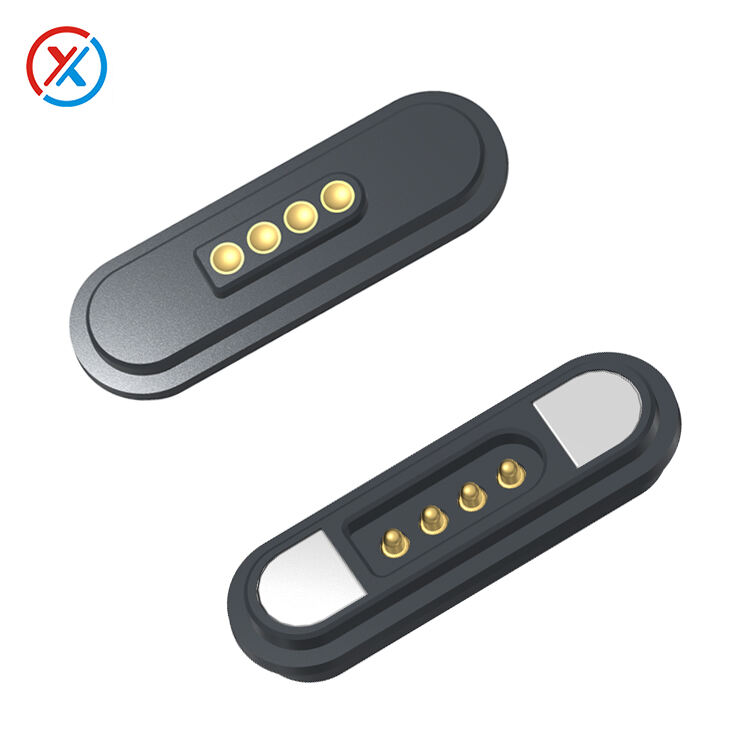
Understanding the fundamental principles behind magnetic pogo pin connector technology is essential for engineers and designers looking to implement these solutions in their custom docking systems. The magnetic component provides effortless alignment and secure attachment, while the pogo pins ensure consistent electrical connectivity even under varying environmental conditions. This dual-functionality makes them ideal for applications ranging from consumer electronics to industrial equipment.
Core Technology Behind Magnetic Pogo Pin Connectors
Magnetic Alignment Mechanism
The magnetic alignment system within a magnetic pogo pin connector utilizes carefully positioned permanent magnets to create precise positioning between mating components. These magnets generate sufficient attractive force to ensure proper alignment while allowing for easy separation when needed. The magnetic field strength is calibrated to provide optimal holding power without creating excessive resistance during disconnection processes.
Engineers typically employ neodymium magnets due to their exceptional strength-to-size ratio and temperature stability. The magnetic assembly is designed to create a guided connection path that naturally draws the connector halves together in the correct orientation. This self-aligning characteristic eliminates the need for precise manual positioning, significantly improving user experience and reducing wear on connector components.
The magnetic field pattern is carefully engineered to provide directional guidance while preventing unwanted attraction to nearby ferromagnetic objects. Advanced designs incorporate magnetic shielding techniques to contain the field within the intended connection area, ensuring reliable operation in environments with multiple electronic devices or metallic structures.
Pogo Pin Contact Technology
Pogo pins form the electrical heart of a magnetic pogo pin connector, providing the actual current-carrying pathway between connected devices. These spring-loaded contacts consist of a precisely machined plunger, barrel, and internal spring mechanism that maintains consistent electrical contact pressure across varying connection distances. The spring force is calibrated to ensure reliable contact while minimizing insertion force requirements.
The contact surfaces typically feature gold plating to prevent oxidation and ensure long-term conductivity performance. This noble metal coating provides excellent corrosion resistance and maintains low contact resistance throughout the connector's operational lifetime. The plating thickness is optimized to balance durability with cost-effectiveness, typically ranging from 10 to 50 microinches depending on application requirements.
Advanced pogo pin designs incorporate multiple contact points or wiping action to break through surface contaminants and maintain reliable electrical connections. The internal spring mechanism is engineered to provide consistent force over thousands of mating cycles, ensuring long-term reliability in demanding applications. Temperature-stable spring materials maintain performance across wide operating temperature ranges.
Design Advantages for Custom Docking Applications
Effortless User Experience
The magnetic pogo pin connector design prioritizes user convenience through its intuitive connection mechanism. Users simply bring the connector halves into proximity, and the magnetic forces automatically guide them into proper alignment and engagement. This eliminates the frustration associated with precise connector positioning and reduces the likelihood of connection errors or damage from misalignment.
The tactile feedback provided by magnetic engagement gives users immediate confirmation of successful connection, while the controlled magnetic force prevents accidental disconnections during normal use. This balance between secure attachment and easy release makes magnetic pogo pin connectors particularly suitable for portable devices and frequently accessed docking stations.
The absence of exposed pins or delicate alignment features on the user-facing side enhances safety and durability. Users cannot accidentally damage contact surfaces through mishandling, and the magnetic attraction helps protect the pogo pins by ensuring proper engagement before electrical contact is established. This design philosophy significantly reduces maintenance requirements and extends connector lifespan.
Customization Flexibility
Custom docking applications benefit tremendously from the inherent flexibility of magnetic pogo pin connector designs. Engineers can configure pin layouts to accommodate specific electrical requirements, including power delivery, data transmission, and control signals within a single connector assembly.
The magnetic positioning system can be tailored to specific alignment requirements through careful magnet placement and pole orientation. This customization capability enables designers to create connectors that prevent incorrect insertion while ensuring reliable connection in the intended orientation. Multiple magnetic circuits can be incorporated to provide complex alignment geometries for sophisticated docking mechanisms.
Mechanical integration options include various mounting configurations, housing materials, and environmental sealing approaches. The magnetic pogo pin connector platform supports diverse customization requirements while maintaining consistent performance characteristics across different implementations. This versatility makes it possible to integrate these connectors into virtually any custom docking solution.
Electrical Performance Characteristics
Current Carrying Capacity
The current carrying capacity of a magnetic pogo pin connector depends on several factors including contact area, spring force, and thermal management considerations. Individual pogo pins can typically handle currents ranging from milliamps for signal applications to several amperes for power delivery. The total connector capacity is determined by the number of power pins and their thermal interaction within the connector assembly.
Heat generation from resistive losses must be carefully managed to prevent temperature-related performance degradation. Advanced designs incorporate thermal management features such as enhanced contact materials, improved heat dissipation paths, and temperature monitoring capabilities. The connector housing material and configuration play crucial roles in maintaining acceptable operating temperatures under maximum current conditions.
Derating curves are typically provided to guide designers in selecting appropriate current levels for specific operating conditions. Ambient temperature, duty cycle, and thermal environment all influence the maximum sustainable current capacity. Proper thermal analysis ensures reliable operation throughout the intended current range while maintaining acceptable connector temperatures.
Signal Integrity Performance
Modern magnetic pogo pin connector designs excel in maintaining signal integrity for high-frequency applications. The short electrical path length and controlled impedance characteristics minimize signal degradation and electromagnetic interference. Careful attention to contact geometry and connector layout ensures consistent electrical performance across the frequency spectrum.
Differential pair routing capabilities enable high-speed data transmission applications while maintaining proper impedance matching and crosstalk control. The magnetic positioning system ensures repeatable contact alignment, which is critical for maintaining consistent signal path characteristics across multiple connection cycles. Shielding options are available to further enhance electromagnetic compatibility performance.
Ground plane integration and controlled dielectric materials contribute to excellent signal integrity performance. The mechanical stability provided by magnetic positioning reduces contact bounce and intermittent connections that can disrupt high-frequency signals. These characteristics make magnetic pogo pin connectors suitable for applications requiring reliable data transmission alongside power delivery.
Environmental Durability and Reliability
Mechanical Robustness
The mechanical design of a magnetic pogo pin connector emphasizes long-term reliability under challenging operating conditions. The pogo pin mechanism is engineered to withstand millions of connection cycles while maintaining consistent electrical performance. Spring materials are selected for their fatigue resistance and temperature stability, ensuring reliable operation throughout the connector's service life.
The magnetic positioning system provides inherent protection against mechanical damage by preventing forced insertion in incorrect orientations. The self-aligning nature of the magnetic attraction reduces mechanical stress on individual components and distributes connection forces evenly across the contact array. This design approach significantly extends connector lifespan compared to traditional rigid connector solutions.
Shock and vibration resistance are enhanced through the spring-loaded contact mechanism and secure magnetic attachment. The connector can maintain electrical continuity even under dynamic loading conditions that might cause intermittent connections in rigid connector designs. This robustness makes magnetic pogo pin connectors particularly suitable for portable and mobile applications.
Environmental Sealing Options
Environmental protection capabilities can be integrated into magnetic pogo pin connector designs to meet specific application requirements. Sealing options range from basic moisture resistance to full IP67 or IP68 rating compliance for harsh environment applications. The connector housing and gasket systems are designed to maintain environmental protection while preserving magnetic positioning functionality.
Corrosion-resistant materials and coatings protect both the magnetic components and electrical contacts from environmental degradation. Stainless steel housings, marine-grade magnets, and protective platings ensure long-term performance in challenging environments. The sealed design prevents contamination of critical contact surfaces while maintaining access for normal connection operations.
Temperature cycling performance is enhanced through material selection and thermal design considerations. The connector maintains functionality across wide temperature ranges while accommodating thermal expansion differences between various components. Specialized materials and design techniques ensure reliable operation in extreme temperature environments without compromising magnetic or electrical performance.
Application Areas and Use Cases
Consumer Electronics Integration
Consumer electronics applications have embraced magnetic pogo pin connector technology for its combination of convenience and reliability. Smartphone docking stations, tablet charging systems, and wearable device interfaces utilize these connectors to provide seamless user experiences while maintaining robust electrical connections. The magnetic alignment eliminates the need for precise connector positioning, making devices more accessible to users of all skill levels.
Laptop docking solutions benefit from the quick-connect capability and high current capacity of magnetic pogo pin connectors. These systems can simultaneously provide power delivery, video output, and data connectivity through a single magnetic connection interface. The user-friendly connection process encourages regular use of docking stations, improving productivity and device management in office environments.
Gaming accessories and peripherals increasingly incorporate magnetic pogo pin connector technology for controller charging and data synchronization. The reliable connection combined with easy attachment makes these connectors ideal for devices that require frequent connection and disconnection cycles. The magnetic positioning ensures proper contact alignment even in low-light gaming environments.
Industrial and Commercial Applications
Industrial environments present unique challenges that magnetic pogo pin connectors are well-suited to address. Manufacturing equipment requiring frequent reconfiguration benefits from the quick-connect capability and reliable electrical performance. The magnetic positioning system ensures proper connection even when operators are wearing protective gloves or working in challenging lighting conditions.
Medical device applications leverage the reliability and ease-of-use characteristics of magnetic pogo pin connectors for patient monitoring equipment and portable diagnostic devices. The connector design accommodates sterilization requirements while maintaining electrical performance and user safety. The magnetic positioning prevents accidental disconnections that could compromise patient safety or data collection.
Automotive applications utilize magnetic pogo pin connectors for diagnostic interfaces, charging systems, and modular component connections. The connector's resistance to shock and vibration makes it suitable for vehicle environments, while the magnetic positioning system functions reliably even in confined spaces with limited visibility. These characteristics support the automotive industry's trend toward modular design and service accessibility.
Installation and Integration Considerations
Mechanical Integration Requirements
Successful integration of a magnetic pogo pin connector requires careful consideration of mechanical mounting and alignment requirements. The connector housing must be securely attached to the host device while maintaining precise positioning relative to the mating connector. Mounting tolerance stack-up analysis ensures reliable magnetic engagement across manufacturing variations and thermal cycling conditions.
Clearance requirements around the connector must accommodate the magnetic field and allow for proper engagement motion. Adjacent components and materials should be evaluated for their interaction with the magnetic positioning system. Ferromagnetic materials in proximity to the connector can affect magnetic field patterns and potentially interfere with proper alignment functionality.
Strain relief considerations are important for applications involving cable connections or flexible circuit interfaces. The magnetic connection provides some compliance, but proper strain relief protects both the connector and associated wiring from mechanical damage. Cable routing and connector orientation should be optimized to minimize stress on the magnetic pogo pin connector assembly.
Electrical Design Integration
Electrical integration requires careful attention to current distribution, signal routing, and electromagnetic compatibility considerations. Power and signal pin assignments should be optimized for the specific application requirements while maintaining proper electrical isolation between different circuit types. Ground plane design and shielding strategies help maintain signal integrity and reduce electromagnetic interference.
Circuit protection considerations include overcurrent protection, ESD mitigation, and fault tolerance design. The magnetic pogo pin connector provides a reliable electrical interface, but associated circuitry should include appropriate protective measures for the specific application environment. Surge suppression and filtering components may be necessary for sensitive electronic systems.
Thermal management integration ensures that heat generated within the connector assembly does not adversely affect system performance. Thermal interface materials and heat dissipation paths should be incorporated into the design to maintain acceptable operating temperatures. Temperature monitoring capabilities can provide system feedback for thermal management algorithms.
Performance Optimization and Best Practices
Connection Reliability Enhancement
Optimizing connection reliability begins with proper specification of pogo pin parameters including spring force, contact materials, and plating thickness. The magnetic positioning force should be balanced to provide secure attachment without creating excessive separation force requirements. Regular cleaning and maintenance procedures help maintain optimal electrical performance throughout the connector's service life.
Environmental factors such as humidity, temperature cycling, and contamination exposure should be considered during the design phase. Protective coatings and sealed designs can extend connector life in challenging environments. Periodic inspection and testing procedures help identify potential issues before they affect system performance.
Quality control measures during manufacturing and assembly ensure consistent performance across production quantities. Incoming inspection of magnetic pogo pin connector components and assembly verification procedures help maintain high reliability standards. Statistical process control methods can identify trends and prevent quality issues from affecting delivered products.
Customization Optimization
Effective customization requires thorough analysis of application requirements including electrical specifications, mechanical constraints, and environmental conditions. Collaboration with connector manufacturers during the design phase helps optimize performance while minimizing development time and cost. Prototype testing validates design assumptions and identifies potential improvements before production commitment.
Material selection optimization balances performance requirements with cost and availability considerations. Advanced materials may provide superior performance but require evaluation of long-term availability and cost stability. Standardization of connector configurations across product lines can reduce inventory complexity and manufacturing costs.
Design validation through comprehensive testing ensures that customized magnetic pogo pin connectors meet all performance requirements. Testing protocols should include electrical performance verification, mechanical durability assessment, and environmental exposure evaluation. Documentation of test results provides baseline data for ongoing quality monitoring and future design improvements.
FAQ
How does the magnetic positioning system affect electrical performance
The magnetic positioning system enhances electrical performance by ensuring consistent and repeatable contact alignment between pogo pins and their mating surfaces. This precise positioning minimizes contact resistance variation and maintains stable electrical connections across multiple mating cycles. The magnetic forces help absorb minor mechanical vibrations that could otherwise cause intermittent electrical contacts, resulting in more reliable electrical performance compared to traditional connector designs.
What current ratings are typically available for magnetic pogo pin connectors
Magnetic pogo pin connectors are available with current ratings ranging from milliamps for low-power signal applications to 10 amperes or more for high-power applications. Individual pogo pins typically handle 1-5 amperes depending on their size and thermal management design. Multi-pin configurations can achieve higher total current capacity by paralleling multiple pins for power delivery while using separate pins for signal transmission. The actual current rating depends on factors such as ambient temperature, duty cycle, and thermal dissipation capabilities.
Can magnetic pogo pin connectors interfere with sensitive electronic equipment
Properly designed magnetic pogo pin connectors incorporate magnetic shielding and field containment techniques to minimize interference with sensitive electronic equipment. The magnetic fields are typically localized to the immediate connection area and do not extend far enough to affect nearby devices. However, applications involving magnetic storage media or precision sensors should be evaluated on a case-by-case basis. Manufacturers can provide specific magnetic field strength data and shielding options for applications with strict electromagnetic compatibility requirements.
What maintenance is required for magnetic pogo pin connectors
Magnetic pogo pin connectors require minimal maintenance due to their robust design and self-cleaning contact action. Periodic cleaning of contact surfaces with appropriate solvents removes accumulated contamination and maintains optimal electrical performance. The magnetic components are permanent and do not require maintenance under normal operating conditions. Visual inspection for physical damage or wear, particularly on high-cycle applications, helps identify potential issues before they affect performance. Proper storage and handling procedures protect the connectors from damage during transportation and installation.
Hot News
-
Challenges for Pogo pin manufacturers in the AI era
2023-12-14
-
Teach you how to understand Pogo pin spline structure
2023-12-14
-
What products can Pogo pin be used in?
2023-12-14
-
How to choose Pogo pin connector
2023-12-14