 EN
EN
 AR
AR
 BG
BG
 HR
HR
 CS
CS
 DA
DA
 NL
NL
 FI
FI
 FR
FR
 DE
DE
 EL
EL
 HI
HI
 IT
IT
 JA
JA
 KO
KO
 PL
PL
 PT
PT
 RU
RU
 ES
ES
 SV
SV
 TL
TL
 IW
IW
 ID
ID
 LV
LV
 SR
SR
 UK
UK
 VI
VI
 GL
GL
 HU
HU
 TH
TH
 TR
TR
 AF
AF
 MS
MS
 SW
SW
 GA
GA
 CY
CY
 IS
IS
 BN
BN
 BS
BS
 NE
NE

What Key Factors Define a Reliable Pogo Pin Connector for Devices?
Modern electronic devices rely heavily on efficient and reliable connection solutions to maintain optimal performance across various applications. The demand for compact, durable, and high-performance connection systems has led to increased adoption of specialized connector technologies in industries ranging from consumer electronics to medical equipment. Among these innovative solutions, the pogo pin connector stands out as a versatile and dependable option that addresses multiple connectivity challenges in contemporary device design and manufacturing.
The reliability of any connector system depends on several critical factors that directly impact device functionality, longevity, and user experience. Understanding these key elements helps engineers and designers make informed decisions when selecting connection solutions for their specific applications. This comprehensive analysis explores the fundamental characteristics that define a dependable pogo pin connector and examines how these factors contribute to overall system performance and durability.
Understanding Pogo Pin Connector Fundamentals
Basic Design Principles and Structure
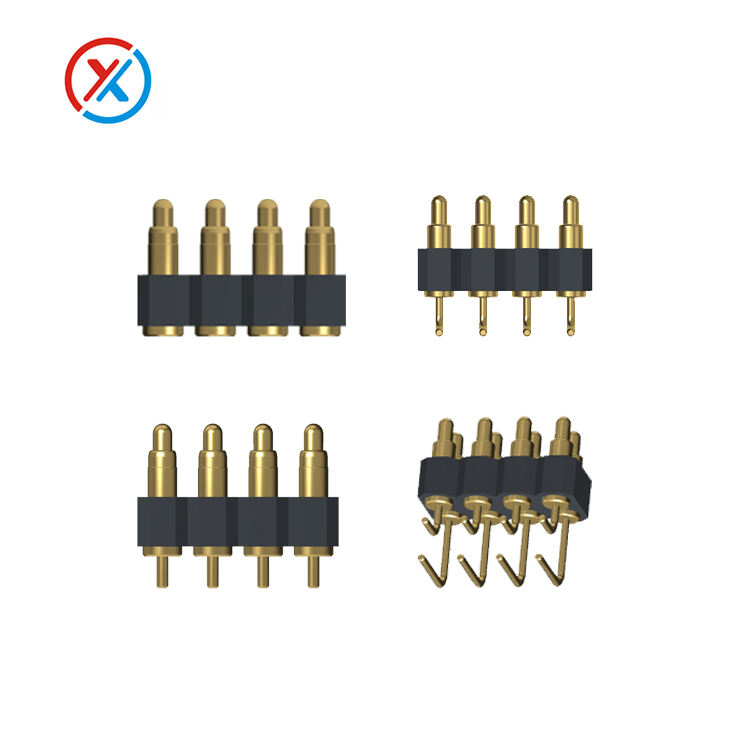
A pogo pin connector operates on a spring-loaded mechanism that creates reliable electrical contact through controlled compression and extension movements. The fundamental design consists of three primary components: a precision-machined barrel, a spring mechanism, and a contact tip or plunger. This simple yet effective configuration allows the connector to maintain consistent electrical contact while accommodating mechanical tolerances and surface irregularities that might otherwise compromise connection quality.
The barrel component serves as the housing for the internal spring mechanism and provides structural integrity to the entire assembly. Manufactured from high-quality materials such as brass or beryllium copper, the barrel must demonstrate excellent electrical conductivity while maintaining dimensional stability under varying environmental conditions. The precision manufacturing requirements for the barrel directly influence the overall performance characteristics of the pogo pin connector system.
Spring selection plays a crucial role in determining the operational characteristics of the connector. The spring must provide sufficient force to maintain reliable contact while avoiding excessive pressure that could damage delicate components or surfaces. Engineers carefully calculate spring constants, compression ratios, and fatigue resistance to ensure long-term reliability and consistent performance throughout the connector's operational lifetime.
Material Selection and Quality Considerations
Material selection significantly impacts the performance, durability, and cost-effectiveness of pogo pin connector systems. High-grade materials ensure optimal electrical conductivity, corrosion resistance, and mechanical strength necessary for reliable operation in diverse environments. Common materials include phosphor bronze, beryllium copper, and various noble metal plating options that enhance contact performance and longevity.
The contact surfaces typically receive specialized plating treatments to improve conductivity and prevent oxidation. Gold plating remains the preferred choice for high-reliability applications due to its excellent corrosion resistance and stable electrical properties. However, alternative plating materials such as palladium or silver may be selected based on specific application requirements and cost considerations.
Manufacturing quality directly correlates with connector reliability and performance consistency. Precision machining tolerances, surface finish quality, and assembly procedures all contribute to the final product's capability to meet demanding application requirements. Quality control measures throughout the manufacturing process ensure that each pogo pin connector meets specified electrical, mechanical, and environmental performance standards.
Critical Performance Characteristics
Electrical Performance Requirements
Electrical performance represents one of the most critical aspects of pogo pin connector reliability. Current-carrying capacity, contact resistance, and signal integrity characteristics must meet or exceed application requirements to ensure proper device functionality. The connector must maintain stable electrical properties across its entire operational range, including temperature variations, mechanical stress, and environmental exposure.
Contact resistance directly affects power efficiency and signal quality in electronic systems. Low and stable contact resistance ensures minimal power loss and reduces the risk of signal degradation that could impact device performance. Quality pogo pin connector designs achieve contact resistance values in the milliohm range while maintaining stability throughout their operational lifetime.
Current-carrying capacity depends on multiple factors including conductor cross-sectional area, material properties, and thermal dissipation characteristics. Engineers must carefully balance current requirements with physical size constraints to optimize connector design for specific applications. Proper thermal management ensures that the connector operates within safe temperature limits while maintaining electrical performance specifications.
Mechanical Durability and Lifecycle Performance
Mechanical durability encompasses the connector's ability to withstand repeated mating cycles, environmental stresses, and physical handling without performance degradation. The spring mechanism must maintain consistent force characteristics throughout its operational lifetime, typically measured in hundreds of thousands or millions of compression cycles depending on the application requirements.
Compression force specifications ensure reliable contact while preventing damage to mating surfaces. Too little force may result in intermittent connections or high contact resistance, while excessive force can cause wear, deformation, or damage to delicate components. Optimal force characteristics balance reliability requirements with mechanical constraints to achieve maximum service life and performance consistency.
Environmental resistance capabilities enable pogo pin connector systems to operate reliably in challenging conditions including temperature extremes, humidity exposure, vibration, and chemical contamination. Proper material selection, sealing techniques, and protective coatings enhance environmental resistance and extend operational lifetime in demanding applications.
Application-Specific Design Considerations
Size and Form Factor Optimization
Modern electronic devices demand increasingly compact connector solutions that maximize functionality while minimizing physical footprint. Pogo pin connector designs must balance size constraints with performance requirements to meet the demanding specifications of contemporary applications. Miniaturization efforts focus on reducing connector dimensions while maintaining or improving electrical and mechanical performance characteristics.
Pitch spacing between individual pins affects connector density and overall system integration capabilities. Smaller pitch dimensions enable higher pin counts within limited space constraints but may require more precise manufacturing tolerances and assembly procedures. Engineers must carefully evaluate pitch requirements against manufacturing capabilities and cost considerations to optimize connector design for specific applications.
Profile height considerations impact device thickness and internal component arrangement. Low-profile pogo pin connector designs enable thinner device configurations while maintaining reliable connectivity. However, reduced height may limit spring travel and force characteristics, requiring careful engineering to maintain performance specifications within dimensional constraints.
Signal Integrity and High-Frequency Performance
High-frequency applications place additional demands on pogo pin connector design, requiring careful attention to impedance control, signal crosstalk, and electromagnetic compatibility. The connector geometry, material properties, and manufacturing precision all influence high-frequency performance characteristics that are critical for advanced communication and data transmission applications.
Impedance matching ensures optimal signal transmission with minimal reflections or distortions that could degrade system performance. Controlled impedance designs require precise dimensional tolerances and consistent material properties throughout the connector assembly. Advanced modeling and simulation techniques help engineers optimize connector geometry for specific impedance requirements while maintaining mechanical and environmental performance specifications.
Crosstalk reduction becomes increasingly important as connector pin density increases and operating frequencies rise. Proper pin arrangement, shielding techniques, and ground plane management help minimize unwanted signal coupling between adjacent conductors. These design considerations ensure signal integrity in high-density, high-frequency applications where electromagnetic compatibility is critical.
Manufacturing Quality and Testing Standards
Quality Control Processes and Inspection Methods
Manufacturing quality directly impacts the reliability and performance consistency of pogo pin connector systems. Comprehensive quality control processes ensure that each connector meets specified requirements for electrical, mechanical, and environmental performance. These processes include incoming material inspection, in-process monitoring, and final product testing to verify compliance with design specifications and industry standards.
Dimensional inspection verifies that critical dimensions fall within specified tolerances to ensure proper fit and function. Advanced measurement techniques including coordinate measuring machines and optical inspection systems provide accurate dimensional verification for complex connector geometries. Statistical process control methods help identify trends and variations that could affect product quality or reliability.
Electrical testing validates contact resistance, current-carrying capacity, and insulation resistance characteristics for each connector assembly. Automated test equipment enables rapid, comprehensive electrical verification while maintaining consistent test conditions and documentation. These tests ensure that every pogo pin connector meets electrical performance specifications before shipment to customers.
Industry Standards and Certification Requirements
Industry standards provide benchmarks for pogo pin connector performance, reliability, and safety characteristics. Compliance with relevant standards ensures compatibility with system requirements and regulatory obligations while providing confidence in product quality and performance. Common standards address electrical characteristics, environmental performance, mechanical durability, and safety considerations specific to connector applications.
Environmental testing standards define procedures for evaluating connector performance under various environmental conditions including temperature cycling, humidity exposure, salt spray, and vibration. These tests simulate real-world operating conditions to verify that connectors will perform reliably throughout their intended service life. Compliance with environmental standards provides assurance of long-term reliability in demanding applications.
Safety certifications ensure that pogo pin connector designs meet applicable safety requirements for specific markets and applications. These certifications may address electrical safety, material compatibility, and environmental compliance depending on the intended use and market requirements. Proper certification demonstrates manufacturer commitment to product safety and regulatory compliance.
Selection Criteria and Best Practices
Application Requirements Assessment
Selecting the optimal pogo pin connector requires careful assessment of application-specific requirements including electrical specifications, mechanical constraints, environmental conditions, and cost considerations. This evaluation process helps identify the most suitable connector design while avoiding over-specification that could unnecessarily increase costs or under-specification that could compromise performance or reliability.
Electrical requirements encompass current-carrying capacity, voltage ratings, signal frequency characteristics, and contact resistance specifications. These parameters directly influence connector design choices including conductor size, material selection, and contact geometry. Proper specification of electrical requirements ensures that the selected connector will meet performance expectations throughout its operational lifetime.
Mechanical specifications include force requirements, cycle life expectations, environmental exposure conditions, and physical size constraints. These factors influence spring design, material selection, and protective coating requirements. Accurate assessment of mechanical requirements helps ensure that the selected pogo pin connector will provide reliable performance under actual operating conditions.
Supplier Evaluation and Partnership Considerations
Supplier selection plays a crucial role in ensuring access to high-quality pogo pin connector solutions that meet specific application requirements. Evaluation criteria should include manufacturing capabilities, quality systems, technical support resources, and supply chain reliability. A thorough supplier assessment helps identify partners who can provide consistent product quality and responsive support throughout the product lifecycle.
Manufacturing capabilities assessment includes production capacity, process control systems, and technology investments that support continuous improvement and innovation. Suppliers with advanced manufacturing capabilities can typically provide better quality consistency, shorter lead times, and more competitive pricing for high-volume applications.
Technical support capabilities enable effective collaboration during the design, development, and production phases of connector integration. Suppliers with strong technical teams can provide valuable design assistance, application guidance, and troubleshooting support that contributes to successful project outcomes and reduced development time and costs.
FAQ
What factors determine the lifespan of a pogo pin connector?
The lifespan of a pogo pin connector depends on several key factors including spring fatigue characteristics, contact surface wear, environmental exposure, and operating conditions. High-quality spring materials and proper force specifications can enable millions of compression cycles. Contact surface treatments like gold plating help prevent oxidation and wear. Environmental factors such as temperature, humidity, and contamination can accelerate degradation. Proper application design and installation practices significantly extend connector lifetime by ensuring optimal operating conditions and preventing excessive stress or contamination exposure.
How does contact force affect pogo pin connector reliability?
Contact force directly impacts both electrical and mechanical performance of pogo pin connector systems. Insufficient force can result in high contact resistance, intermittent connections, or signal integrity issues. Excessive force may cause premature wear, component damage, or reduced cycle life. The optimal force range balances reliable electrical contact with mechanical durability requirements. Typical applications require forces between 50-200 grams per pin, but specific requirements depend on application constraints, environmental conditions, and performance expectations.
What environmental conditions can affect pogo pin connector performance?
Environmental conditions that can impact pogo pin connector performance include temperature extremes, humidity, chemical exposure, vibration, and mechanical shock. Temperature variations can affect material properties, dimensional stability, and contact resistance. High humidity promotes corrosion and oxidation that degrades electrical performance. Chemical contamination can cause contact surface degradation and insulation breakdown. Vibration and shock can cause intermittent connections or mechanical damage. Proper material selection, protective coatings, and sealing techniques help mitigate environmental effects and ensure reliable operation.
How important is material selection for pogo pin connector applications?
Material selection is critical for achieving optimal pogo pin connector performance, reliability, and cost-effectiveness. Conductor materials must provide excellent electrical conductivity, corrosion resistance, and mechanical properties suitable for the spring mechanism. Contact surface treatments like gold or palladium plating enhance conductivity and prevent oxidation. Spring materials must maintain consistent force characteristics throughout the operational lifetime. Insulation materials must provide adequate dielectric strength and environmental resistance. Proper material selection directly impacts electrical performance, mechanical durability, environmental resistance, and overall product reliability in demanding applications.
Hot News
-
Challenges for Pogo pin manufacturers in the AI era
2023-12-14
-
Teach you how to understand Pogo pin spline structure
2023-12-14
-
What products can Pogo pin be used in?
2023-12-14
-
How to choose Pogo pin connector
2023-12-14